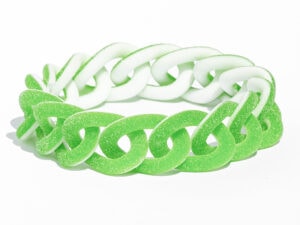
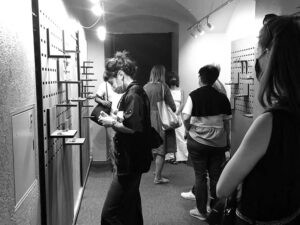
Heidi Lowe Gallery operates as both an exhibition space and educational platform within the field of contemporary jewelry. With its new location at 119 Front Street in Lewes, DE, US, the gallery supports artists through exhibitions, workshops, and public programming.
In this interview, Heidi Lowe discusses the gallery’s development, its structure, and its role in presenting and supporting contemporary jewelry.
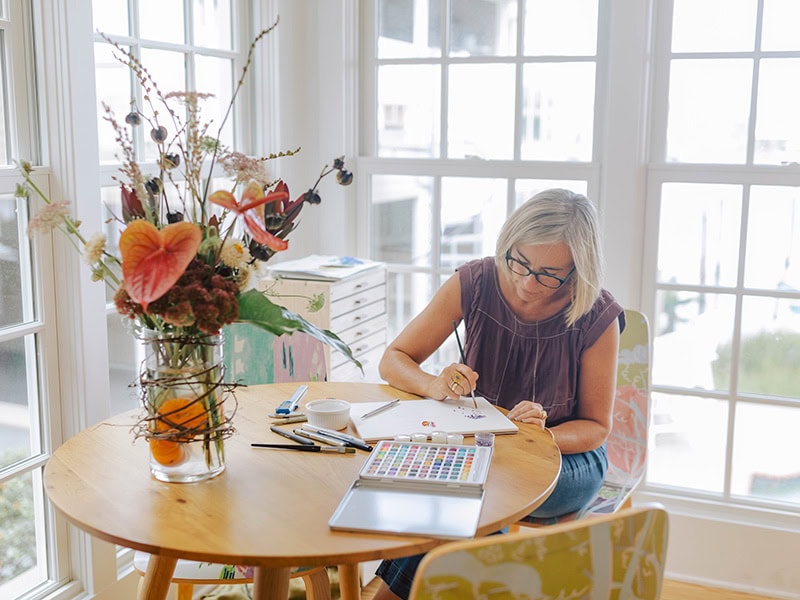
Melis Agabigum: What was the original vision behind Heidi Lowe Gallery and how has that mission evolved over time?
Heidi Lowe: My vision for the gallery was always to have a space where I could connect the public to the thoughtful and beautiful world of art jewelry. I still have the same mission, and I live into that more and more each year in different ways.
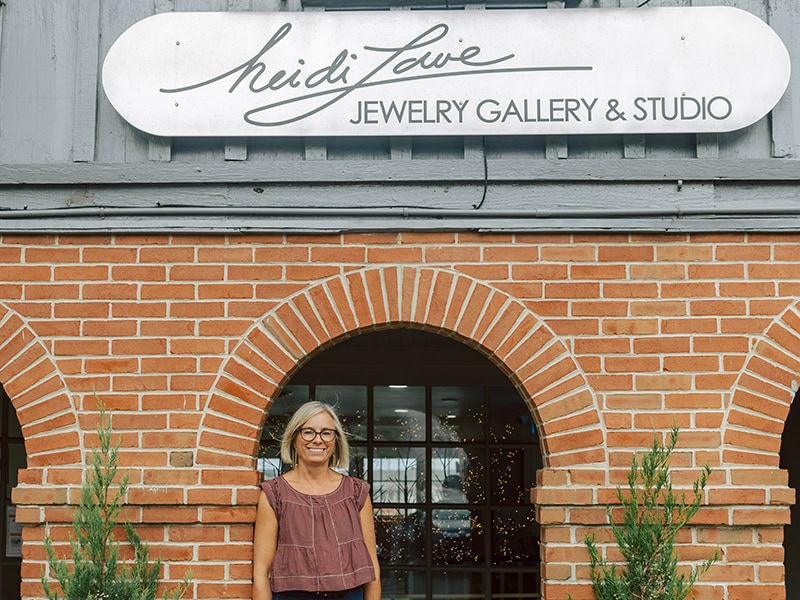
How do you define the role of a contemporary jewelry gallery within the broader contemporary art landscape?
Heidi Lowe: From my perspective, contemporary jewelry is the most avant-garde art within the art world. Jewelry is an unexpected art form, so it hits differently than a painting or a sculpture. Jewelry has a direct relationship to the body, domestic spaces, and identity. As it’s worn, it communicates powerfully and quietly. Artists in the contemporary art jewelry field are dealing with the same themes as artists in traditional media, universal issues that come up in life.
Contemporary jewelry artists are intensely committed to the concepts they investigate. They create with integrity and homage to their craft, allowing time for concepts to congeal and solidify. It is the role of the gallery to highlight that intensity and communicate that to the public.
Your gallery is known for championing conceptual and experimental work. What values guide your curatorial decisions when installing work?
Heidi Lowe: The values that guide the gallery are generosity, creativity, and connection … that flows through everything we do. As far as our curatorial decisions, each show needs something different.
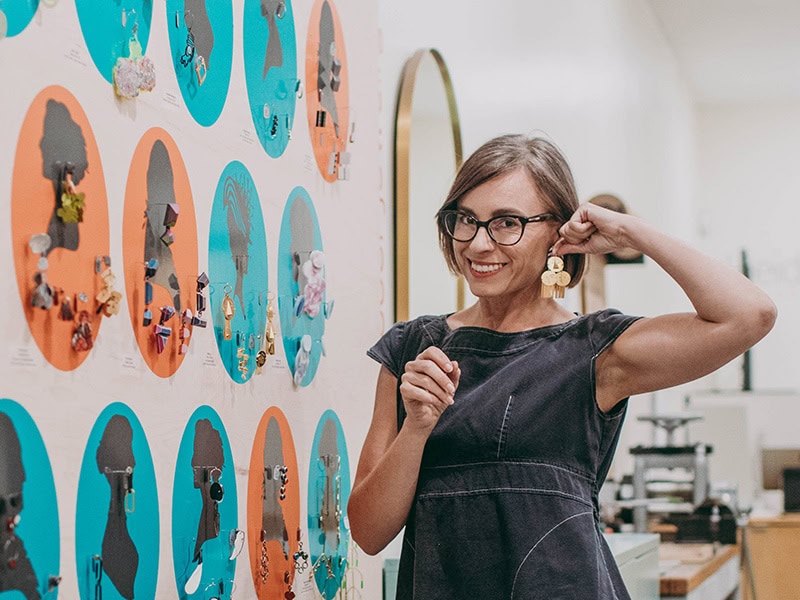
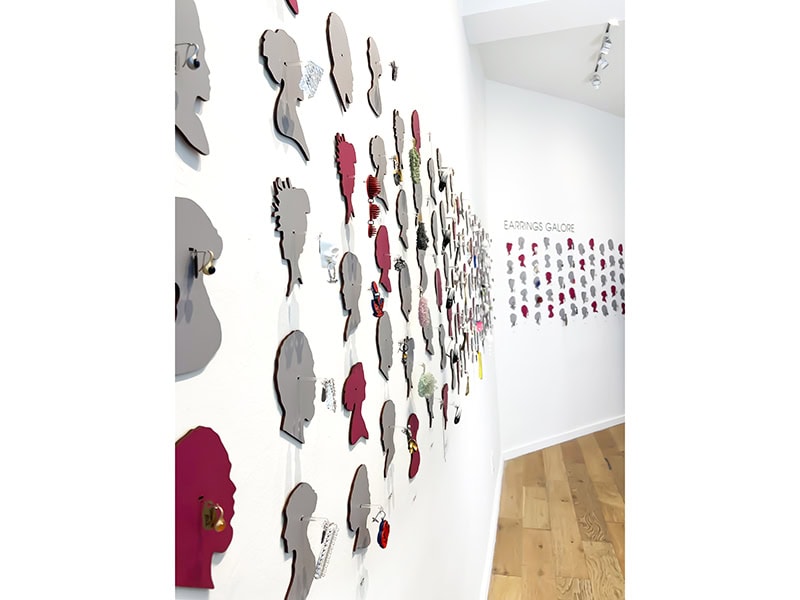
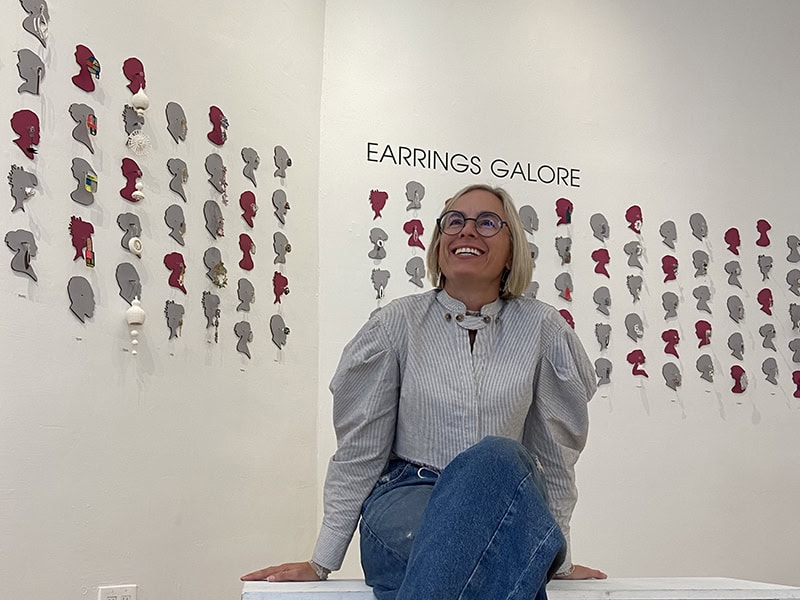
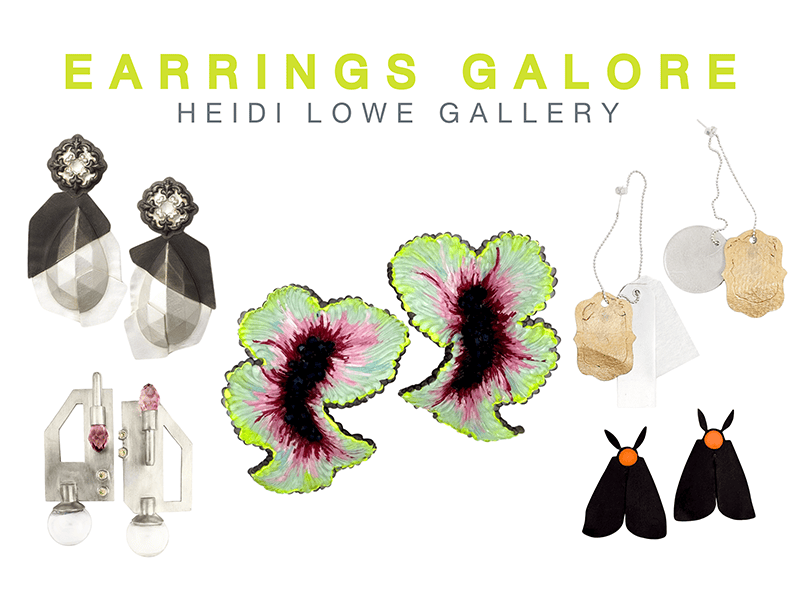
With Earrings Galore, we want to introduce people to a wide range of artists at different stages of their careers, working with diverse materials and methodologies. We are enthusiastic to introduce new artists to the field and be their first “yes,” which pushes them to believe in themselves a little more. We choose artists from their work and the spark we see within it, allowing for a self-taught artist to be shown next to a highly educated or exhibiting artist. This show pushes boundaries for the earring, the artists, and the viewer.
When we are curating a thematic exhibition, we’re looking at artists who are investigating issues related to the theme or thesis of the show. For instance, with our past exhibition Amore, we sent out famous love letters to artists for visual response, and we researched art jewelers who are already thinking in a more developed way about romantic connection, communication, love, or relationships.
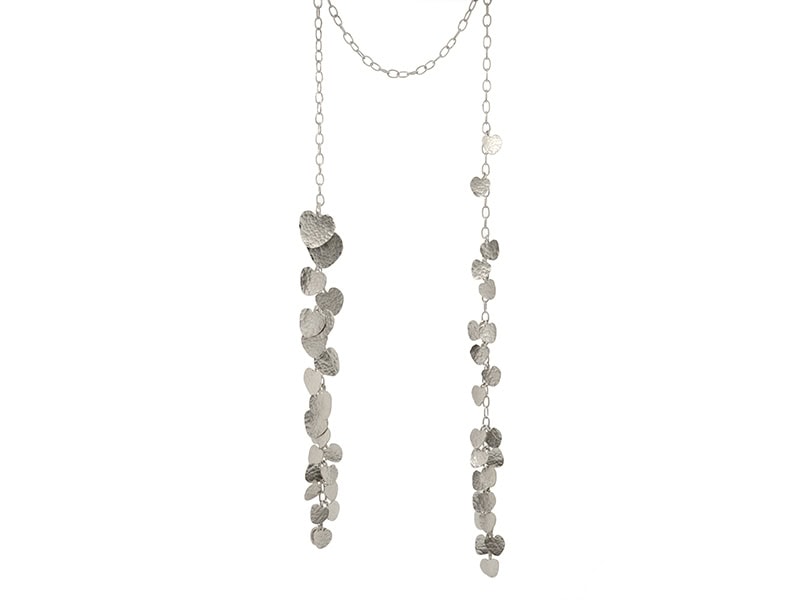
I love that! The archive of exhibitions on your website shows a broad spectrum of artists and themes that you’ve hosted. What draws you to an artist’s work initially: concept, craftsmanship, risk-taking, or something else?
Heidi Lowe: Much of the gallery is about the relationships. Many of the artists we work with have been with us for years in different ways. Some of those relationships start in Earrings Galore or another show, and then they grow from there. We love it when our artists come to us with an idea for a project they want to bring to life, and they are usually game when we bring a project that is interesting to us and need help bringing it together. We want the support to be reciprocal and to create space for something that might not have been done before or done in that way.
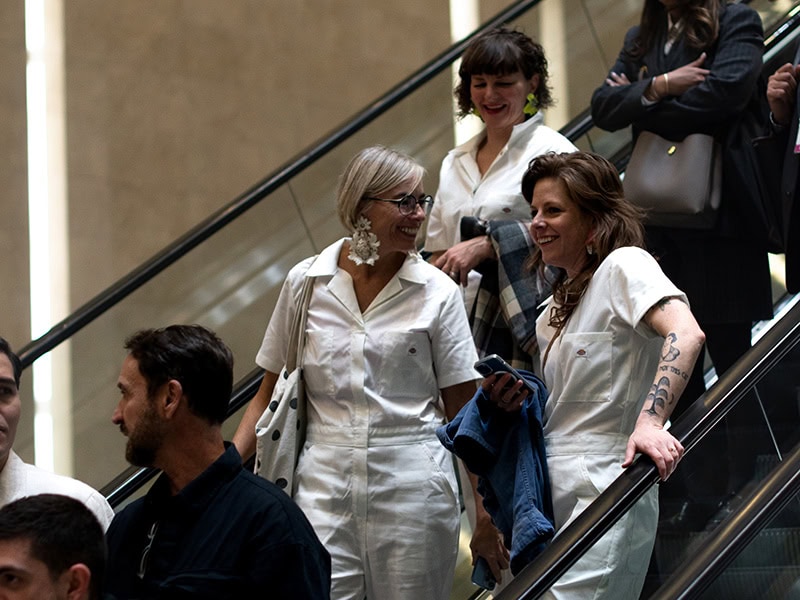
Many contemporary jewelry works address social, political, or environmental themes—how does the public respond to exhibitions that tackle themes, like “Plan B”?
Heidi Lowe: Our public has grown to know that the gallery will speak freely about social and political issues that align with our values. We want the conversation, and we believe it attracts our ideal viewers and purchasers. Plan B had a lot of positive responses and brought in new clients who were especially moved by the cause. People were happy to buy because a percentage of sales went to Planned Parenthood, and the pieces were a way to feel connected to the cause. I find it to be a way to be an activist in a meaningful way. Thankfully, it usually attracts like-minded people, so there is not a lot of negativities associated with the shows.
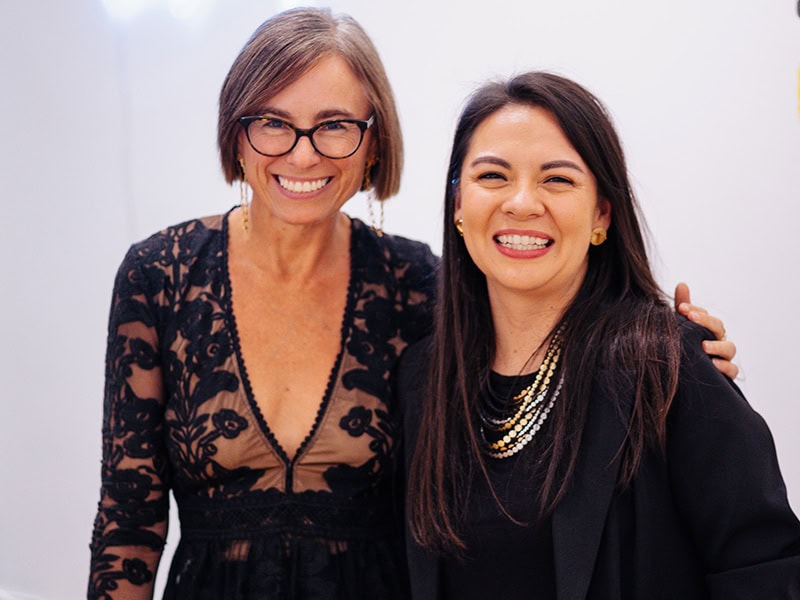
You offer a range of public programming alongside jewelry exhibitions. How do you navigate the balance between fostering local community connections and positioning the gallery within a global dialogue on contemporary jewelry?
Heidi Lowe: They all feed into one another. The local community comes to make a ring and leaves with an understanding of what it takes to create jewelry, why it costs money, and about the artists and jewelry world beyond their initial understanding. I have always loved a Jewelry 1 moment, a moment to draw someone into the love of making or have them think about expressing themselves through jewelry.
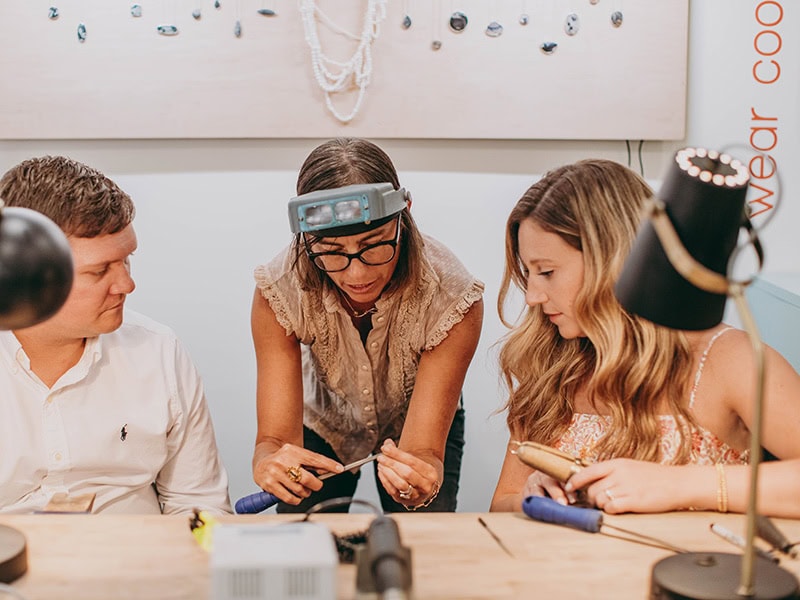
I have an amazing local business with loyal clients who watched me grow up and navigate a creative field, and who have been supportive since Day One.They buy Heidi Lowe jewelry and wear it proudly. I have a consistent visiting clientele that comes to the area yearly and is always ready to see what we are up to. This clientele usually has an affinity for art and appreciates the wide range of artists we show at the gallery.
We travel a few times a year to bring our work to the contemporary jewelry world. This has been very successful for us and really allows me to stay connected with the artists and appreciators. All these parts work together and allow the gallery and artists to thrive.
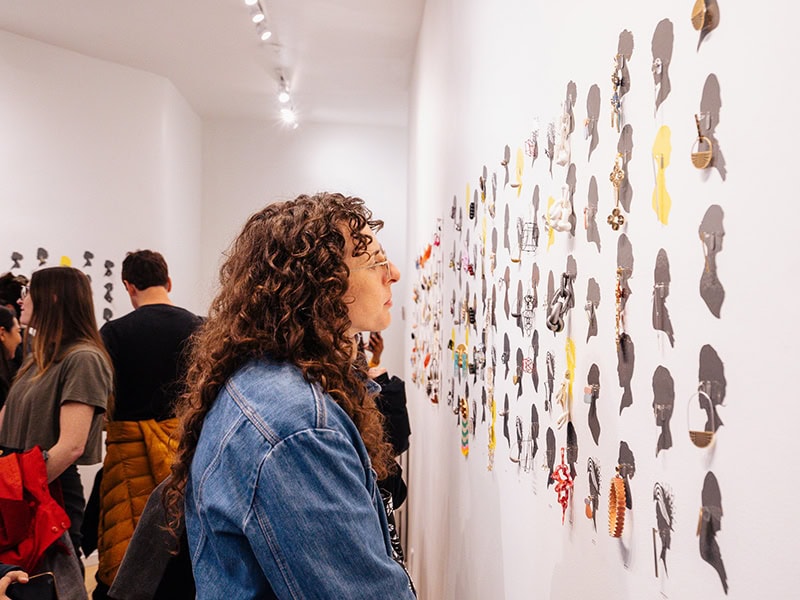
I want to talk more about Earrings Galore. How did you come up with this exhibition concept, and what motivates you to keep it going for so many years?
Heidi Lowe: The first year I thought about Earrings Galore was when I was picking my jewelry to bring to the SNAG Conference in Seattle. I didn’t have time to organize what I would take, so I took my entire jewelry box. I put all my earrings in a box in my suitcase with my clothes around it and took off for the conference.
Friends would come to our hotel room and look through my earrings, and I would sell pairs to them from my personal collection. I knew who the artists were and how much they were because they were mine. I realized it was an untapped market. People want to buy other art jeweler’s earrings. So, the following year, we popped up in the hotel and sold a third of what we had brought. It was underground, fun, and had a lot of buzz! We didn’t do it the following year, but we had it again the year after and have been doing it ever since!
I’m kept motivated by the artists who want to participate and by the clients who come back year after year to buy their earrings. I am always surprised by the people who tell me they watch my Instagram Reels of me trying on earrings every day. They watch the unboxings to see who is new this year. They are excited about Earrings Galore. This show aligns completely with our mission to be the bridge between the art jewelry world and the public who don’t know we exist but are excited when they find out. It’s the perfect starter show. Clients begin to learn about the awe-inspiring work created by art jewelers in an accessible way, and then they can grow into a collector, wearer, and advocate.
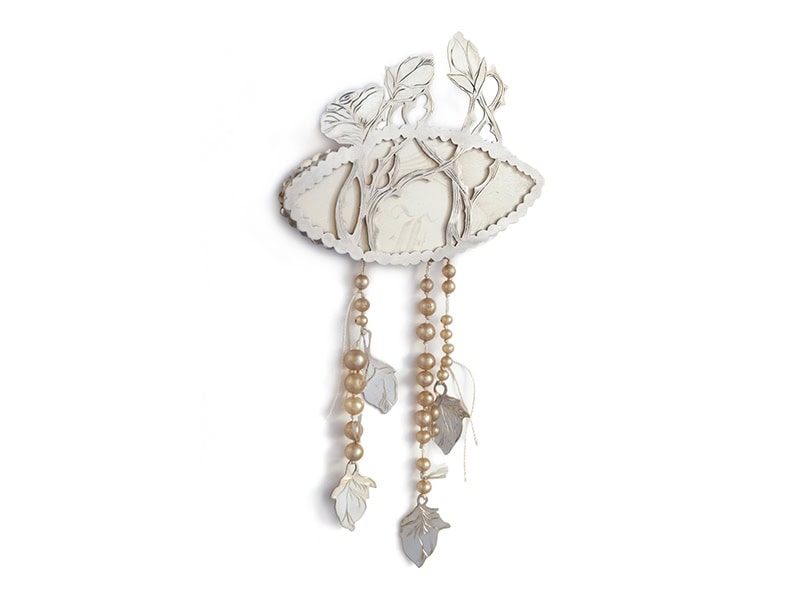
Different jewelry types invite different relationships to the body and to meaning. Which forms most strongly attract you as a maker, and do those affinities carry over into your curatorial decisions, or do they operate independently?
Heidi Lowe: The only place I usually control the format is in Earrings Galore. That is all about one format, the earring, which I feel is usually an offshoot of some bigger work and allows an artist to work out ideas or technical experiments in a smaller way.
In my own work, I lean toward neckpieces and brooches as they allow me to tell the story more deeply. When it comes to the work we show in the gallery, I want the artist to make what excites them. I want the artists to feel the freedom to make the art that needs to be made in the format that makes the most sense.
As an artist, educator, and gallerist, you engage with contemporary jewelry from multiple perspectives. How does navigating these roles shape the way you support artists who challenge established notions of adornment, value, and preciousness?
Heidi Lowe: We know some of our pieces ask a lot of the public. It’s a risk to wear the work and not engage in the social norms around jewelry. We champion that and try to bring work that allows them to walk that line confidentially. We also try to help them articulate the meaning and story around the work to bolster that confidence and connection.
How do the logistical and conceptual demands of traveling exhibitions inform your curatorial process in contrast to exhibitions hosted at your gallery? Do these conditions affect how you think about both the works included and their methods of display?
Heidi Lowe: The only exhibition that we have traveled with thus far is Earrings Galore, and it is logistically and conceptually crated to travel. As long as we have a few good walls, this show is easy to put up and take down to create an inviting environment that brings people in to investigate.
The work in the gallery has certain constraints that we have to work within, and it doesn’t allow for as big or as much work to be shown. When we’re creating shows or looking at shows to bring in, we think about those things and make adjustments.
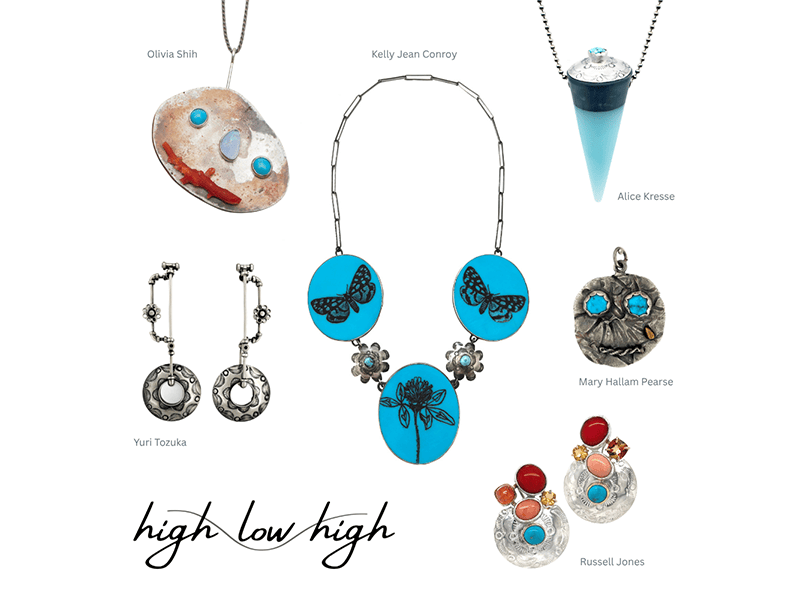
What challenges come with exhibiting small-scale, intimate objects in a gallery setting? How do you think about highlighting both the object and the body, even when the jewelry isn’t being worn?
Heidi Lowe: It’s all a balance between a traditional jewelry store and a gallery. We want people to be comfortable enough to come in and feel like they know what to expect and then surprise them with the actual work we show. We show the work on the walls and in the drawers, and it is accessible to touch and to try on. The drawers allow the viewer to see the whole collection by one artist and get a better sense of their thesis. Showing some of the work on the wall allows us to make the connection to the body more obvious. We choose the hardware, height, and placement of each piece to reference the body. We encourage people to ask questions about the work and see how it feels on the body. Access is one of my main concerns when connecting art jewelry to the broader public.
What directions or shifts in contemporary jewelry are you most excited about right now?
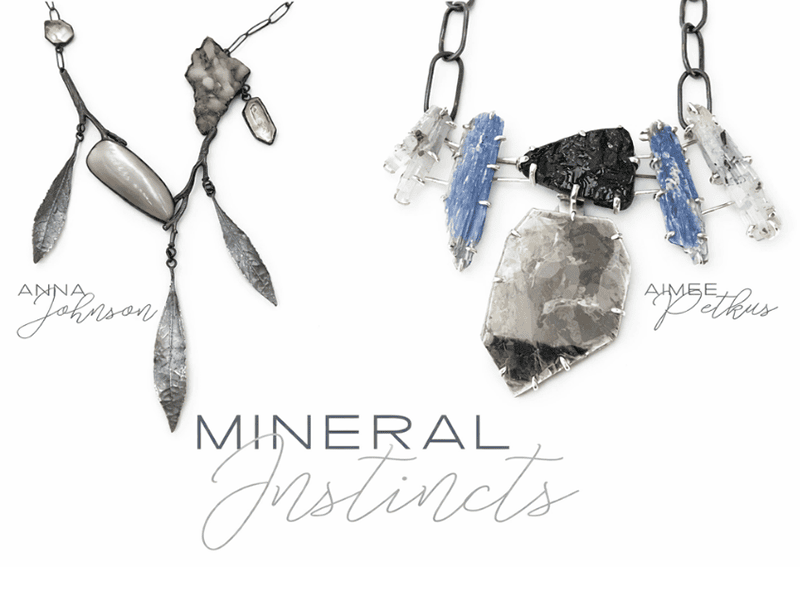
Heidi Lowe: I’m constantly interested in certain concepts that are always flowing through art jewelry, such as our connection to history and historical objects, craft and the crafted object, ideas of value and preciousness, and materiality and its transformation. All these draw me back time and time again.
More current concepts that intrigue me are the idea of body piercing jewelry and how we, as a field, do or do not connect with this history or current industry. Another one is bitcoin and digital wealth, and how the jewelry and art world connects with these emerging platforms. I am also interested in the investigation of pieces such as ear pods, wearable phones, and fitness monitors that could cross the line with jewelry and function in new ways. Art jewelry has so many possibilities in these spaces, and I am excited to see people investigating issues that didn’t exist a few generations ago.
Are you eager to dismantle any myths about contemporary jewelry?
Heidi Lowe: I feel like there is an overall sadness within the art jewelry world that our time might be coming to an end, that people are no longer collecting our work, and that it’s no longer relevant. I do not agree. I think we are becoming more relevant. The artists are more needed than ever, the gallerists are more needed than ever, and we must flow with the times to see where we can become increasingly influential. It might not look like it did, but we are a creative group, and I believe strongly that we will find more people who want to wear and collect art jewelry in the years to come. And the world needs us to continue making the work we make to communicate in our quiet yet powerful way.
The opinions stated here do not necessarily express those of AJF.
We welcome your comments on our publishing, and we will publish letters that engage with our articles in a thoughtful and polite manner. Please submit letters to the editor electronically; do so here. The page on which we publish Letters to the Editor is here.
© 2026 Art Jewelry Forum. All rights reserved. Content may not be reproduced in whole or in part without permission. For reprint permission, contact info (at) artjewelryforum (dot) org