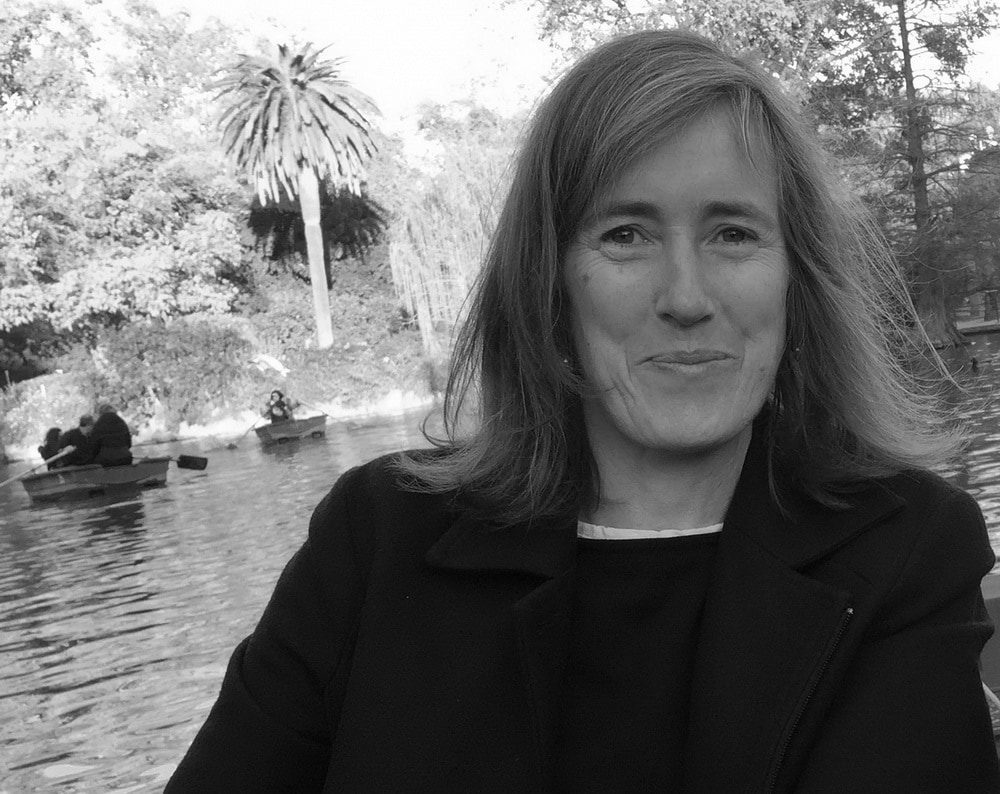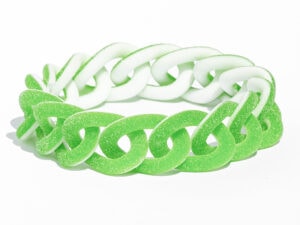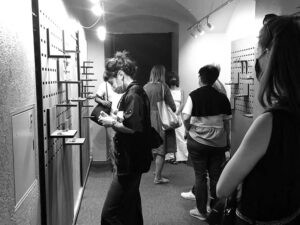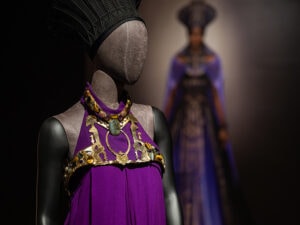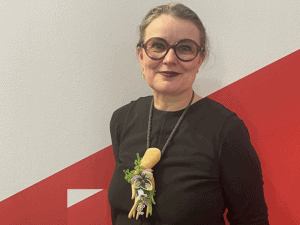
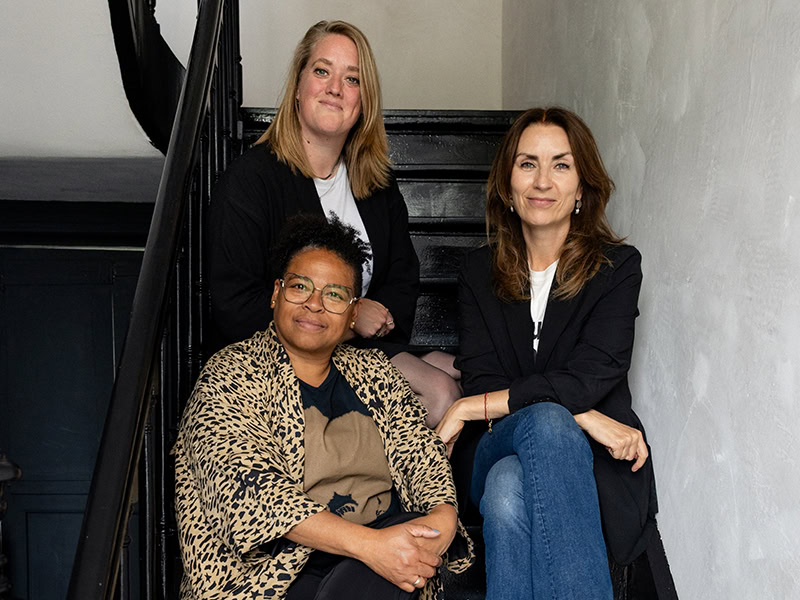
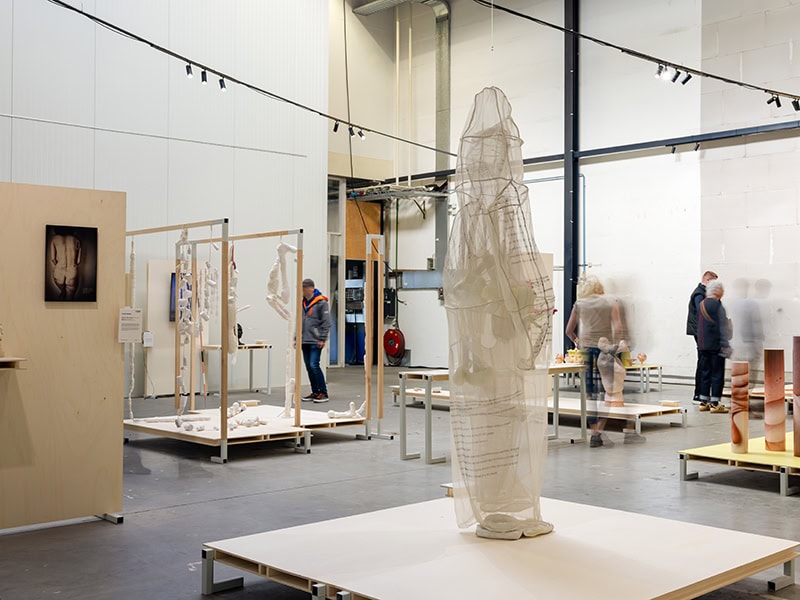
Over the last year, The Body Collective has presented exhibitions and talks, underpinned by the body as a subject for interrogation. The jewelers Katja Prins, Chequita Nahar, and Anke Huyben make up the collective. For them, the body is rarely the central focus for jewelers, but “rather serves primarily as a ‘carrier’ of the jewelry.” The Body Collective wants to expand jewelry design from, as they perceive it, its isolationist position. They believe that, like other creative disciplines, contemporary jewelry is connected to the social issues of today. They therefore present jewelry alongside work by artists from other disciplines who also place the body front and center. By connecting and building relationships with those other disciplines, they aim to expand the field so it can more readily cope with a zeitgeist encompassing rapid technological advancements, societal shifts, and a search for meaning.
Vicki Mason: How did this project begin?
Anke Huyben, Chequita Nahar, and Katja Prins: Katja was a visiting lecturer at Cranbrook Academy of Art, where Anke was studying. Their shared interests sparked the idea for a future collaboration. In 2023, they traveled to Schmuck, in Munich, and reconnected with Anke’s former teacher, Chequita. Over a lively dinner, their conversation brought that early idea to life—marking the start of The Body Project.
Where are you each based, how often do you get together, who is good at what, and have you set your roles? Or is the collaboration flexible and nimble?
So far, working together has been a very intuitive process. We’re fortunate to find ourselves naturally aligned when it comes to selecting artists, shaping presentations, and making key decisions. That strong sense of connection and shared vision is something we value deeply.
Though based in different Dutch cities—Katja in Amsterdam, Anke in Rotterdam, and Chequita in Maastricht—our collaboration flows naturally, built on trust and shared vision. We complement each other and share responsibilities fluidly. We meet weekly via Zoom and sometimes in person, drawing on our diverse experiences to enrich the project. This intuitive teamwork helps us align on artist selection and key decisions, strengthening The Body Project.
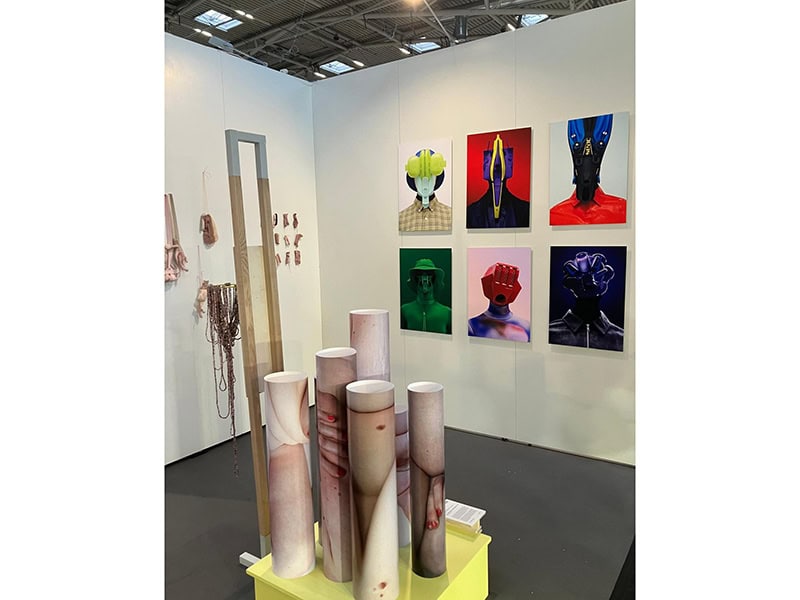
A core aim of the project is to connect with artists working with the body as subject in other disciplines, such as sculpture and performance. What works, themes, materials, and processes have jewelers responded to in the works you’ve shown?
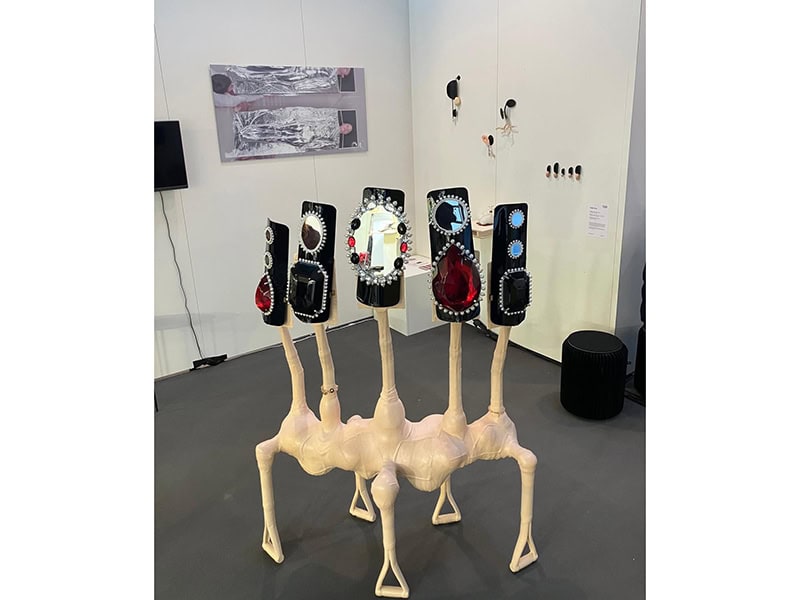
During our presentations, jewelers told us they were inspired by the performative, tech-integrated, and conceptual works, which prompted them to rethink materials, methods, and meanings. Participants said that themes like identity, vulnerability, and transformation struck a chord, while exposure to diverse practices encouraged them to consider experimentation and collaboration. Ultimately, The Body Project could act as a bridge—broadening perspectives and reshaping how the jewelry community sees itself in relation to the wider art world.
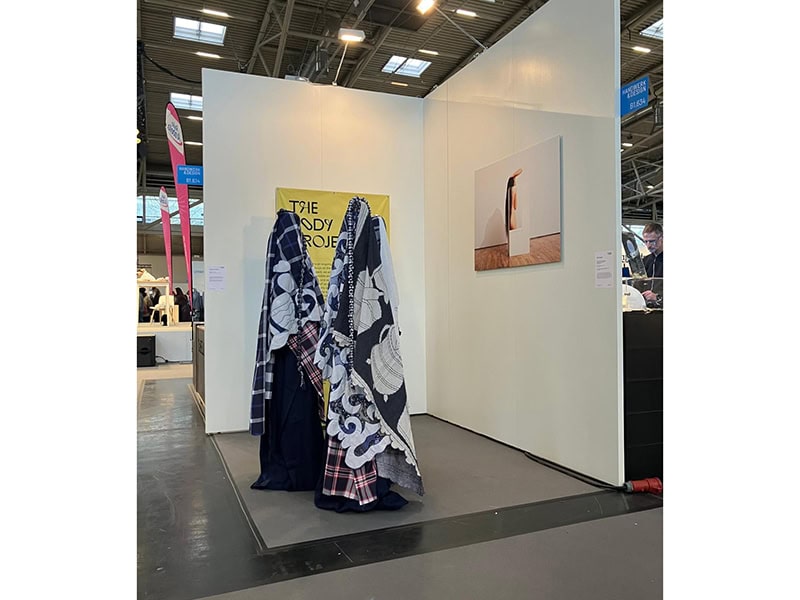
You’ve brought fashion designers, videographers, photographers, and fine artists into your project. How have they responded to your jewelry pieces and your aim to create dialogue through a shared subject?
Their response was enthusiastic, especially as they discovered artists outside their usual circles. This cross-pollination of disciplines and backgrounds brought a refreshing perspective and added an unexpected richness to the experience—not only for us, but for many others involved. The Body Project became more than an exhibition—it became a catalyst for shared inquiry, evolving methods, and unexpected creative dialogue.
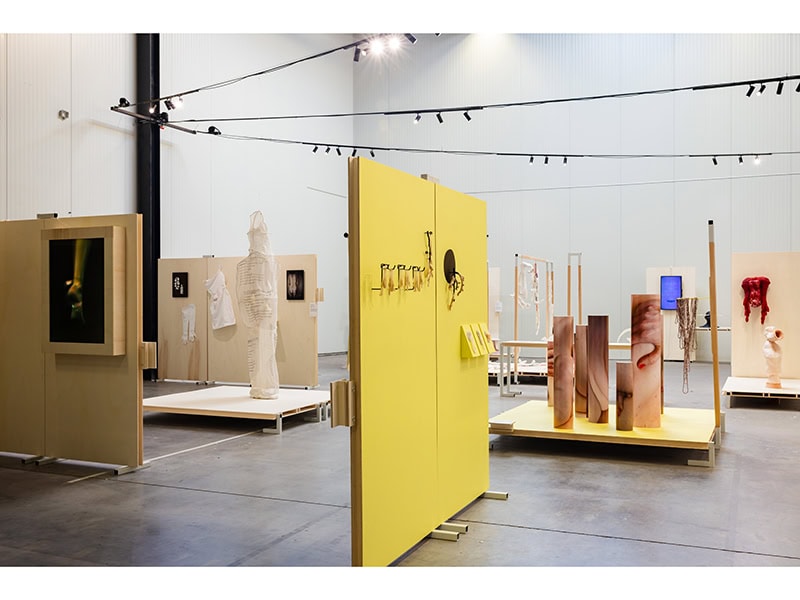
How do you find and select the artists you’ve curated into your exhibitions?
We each brought our own networks and perspectives, and through open, cross-disciplinary conversations, the first group of participants naturally emerged. Museum visits, exhibitions, and social media helped us discover fresh voices and unexpected connections.
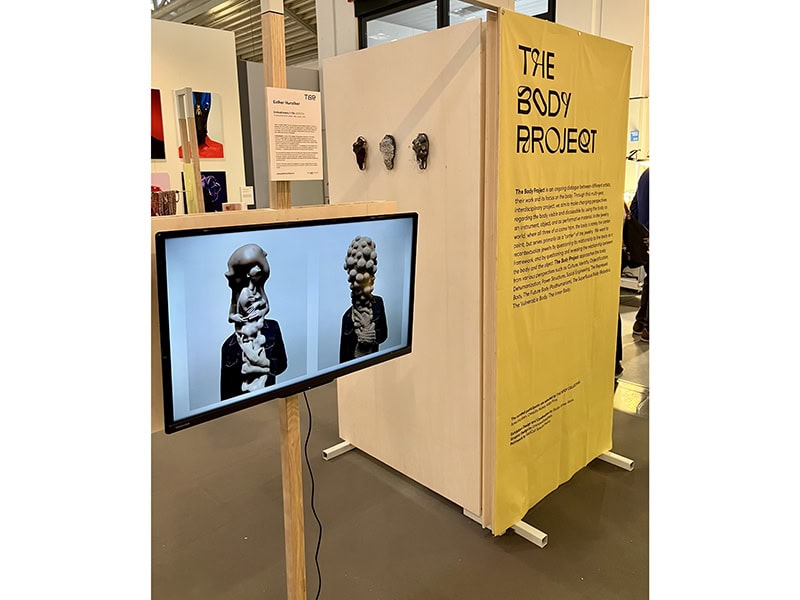
Key to The Body Project was a strong sense of materiality and works that engage the body through form, process, or emotional resonance. We welcomed a range of tones, from playful to contemplative, and aimed to create dialogue between design, contemporary jewelry, and visual art.
Though cross-disciplinary influence is common in many fields, it’s still underrepresented in jewelry. With this project, we wanted to highlight its value—and, during Schmuck, ensure a clear link to jewelry through material, scale, or sensibility.
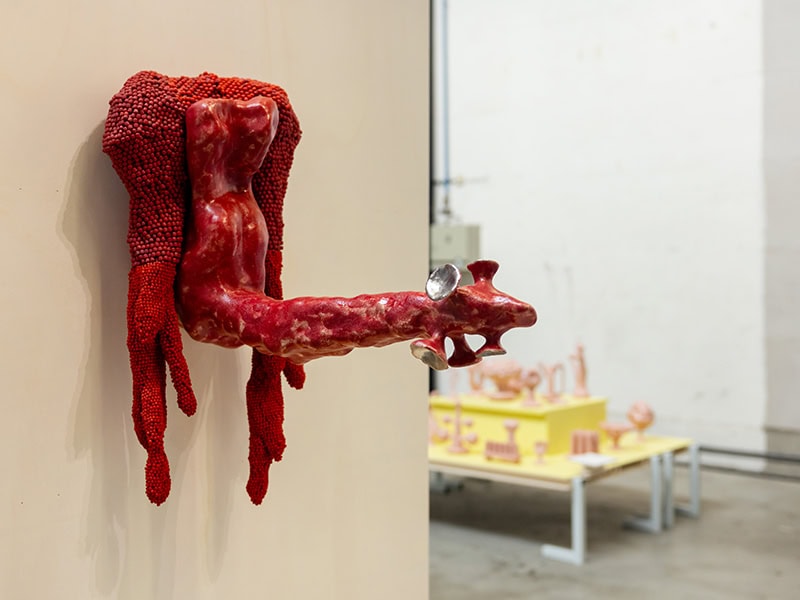
You presented at Dutch Design Week in 2024 and at Schmuck this year. Were the works made specifically for The Body Project?
So far, The Body Project has featured existing works, but we’re open to expanding the project in new directions. In the future, we may invite artists to create pieces around a central theme, or launch an open call to bring in broader voices and perspectives.
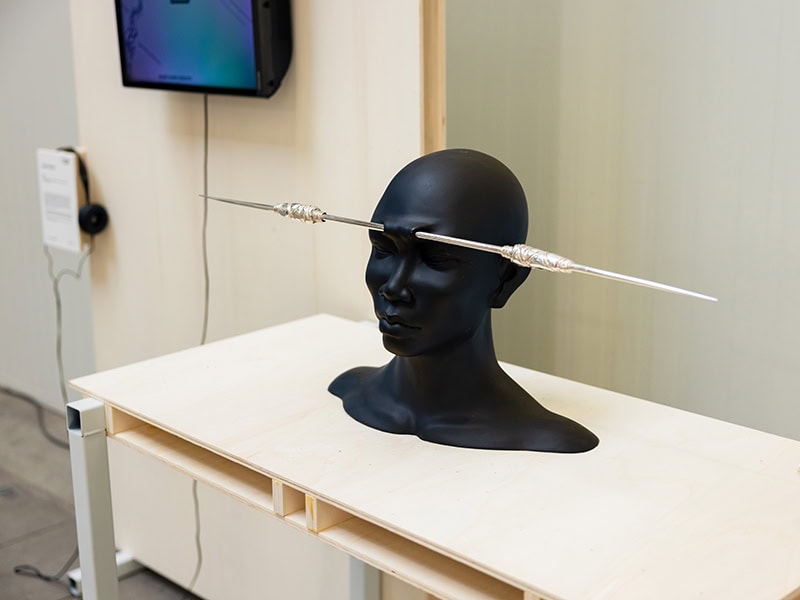
You want to explore and question the relationship between the body and the object. At this point in the project’s life, what answers have you drawn?
Exploring the body-object relationship has actually raised more questions than answers—which is what makes it so rich. The Body Project reveals the body as fluid: a stage, a collaborator, or even absent. This challenges static views of jewelry, encouraging a more dynamic, interdisciplinary, and critical perspective on what jewelry can be today.
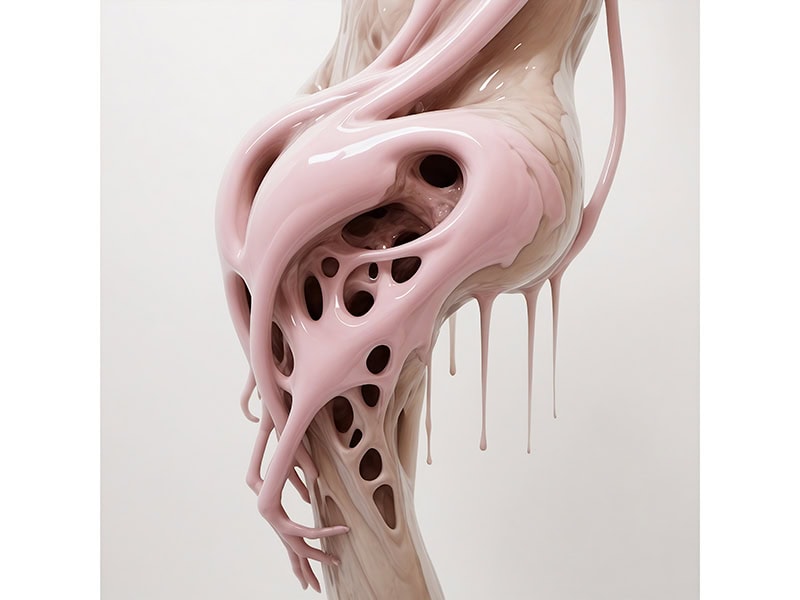
What have you learned about the body so far? Has this filtered into your own practices? Has it changed how you view your own body or how you wear, see, think about, and experience jewelry?
Katja Prins: It’s still too early to draw definitive conclusions. But I feel that it’s already influencing my artistic practice in ways I had not anticipated. The conversations and collaborations are subtly shaping my work, and I expect that impact to grow.
Anke Huyben: Working with Katja and Chequita has challenged my assumptions. Their different perspectives push me to explore unfamiliar approaches—even when it’s uncomfortable—which leads to growth.
Chequita Nahar: What excites me most is the potential for unexpected connections—whether with technology, medicine, or younger artists. These encounters remind me how much there is still to learn.
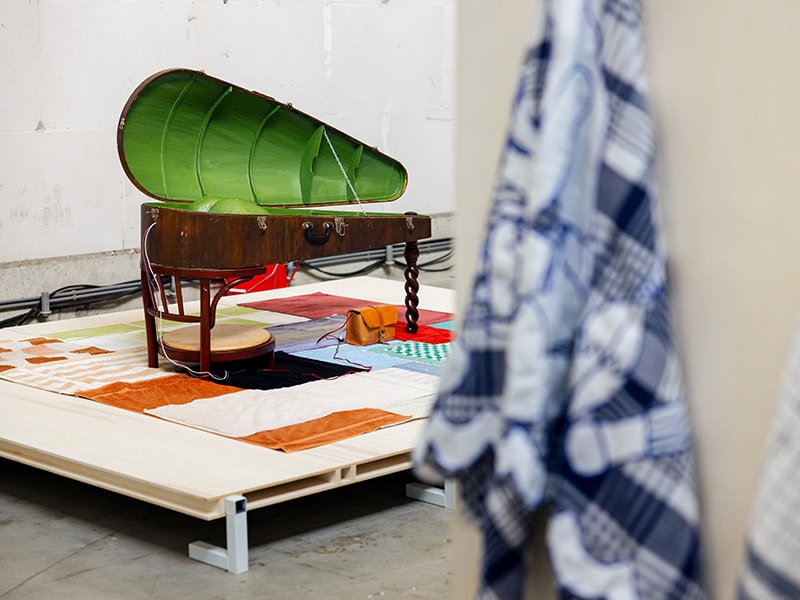
Does a study of the body help us understand what it is to be human?
Absolutely! The body is key to understanding what it means to be human, as it connects us to the world and shapes our experience. At the same time, our relationship with objects—and even digital selves—expands this understanding, raising the question: which body are we really referring to?
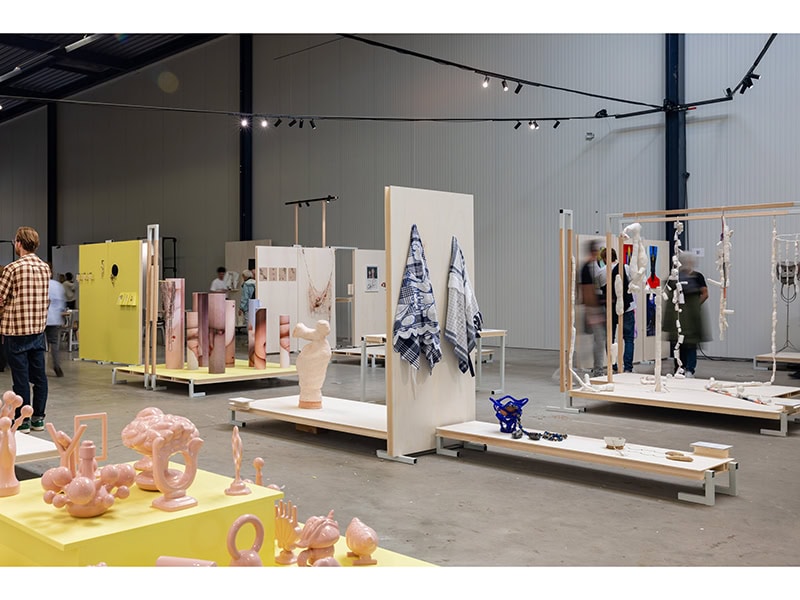
Your goal “is to give the discipline of jewelry design a boost in which it does not position itself as an isolated discipline but knows how to relate and connect with other disciplines and social issues.” How will you ultimately understand the impact of the project, and how will you measure and assess the extent to which you met your various aims?
That’s a difficult question to answer—perhaps it’s still too early to tell. From our perspective, the jewelry world often feels quite closed off and somewhat insular. We believe that only when we start seeing more interdisciplinary projects emerging, or when more art jewelers begin exhibiting outside the usual venues and circles, will we truly sense that the field is opening up.
Shifting perceptions takes time and persistence. The Body Project aims to reposition jewelry within broader cultural conversations, reaching beyond the art world into education, science, and public spaces. Events like Schmuck showed us how diverse audiences can spark meaningful, unexpected engagement.
Exhibiting at Schmuck was a great experience. Positioned between big galleries and craftspeople, we felt a bit like outsiders but received such positive feedback. The fair confirmed that innovation in jewelry is valued. It sparked conversations across disciplines, motivating us to keep developing The Body Project.
We measure impact through informal feedback—conversations, collaborations, new opportunities—and hope to document this more fully over time. For now, the project remains a work in progress, growing organically.
Would you consider traveling an iteration outside Europe?
We’re eager to take The Body Project beyond Europe. Exploring new cultural contexts would bring fresh perspectives, audiences, and collaborations, fitting our goal of fostering cross-cultural dialogue. While focused on current projects, we’re thinking long-term and hope to realize an international edition when the right opportunity comes.
The opinions stated here do not necessarily express those of AJF.
We welcome your comments on our publishing, and we will publish letters that engage with our articles in a thoughtful and polite manner. Please submit letters to the editor electronically; do so here. The page on which we publish Letters to the Editor is here.
© 2025 Art Jewelry Forum. All rights reserved. Content may not be reproduced in whole or in part without permission. For reprint permission, contact info (at) artjewelryforum (dot) org