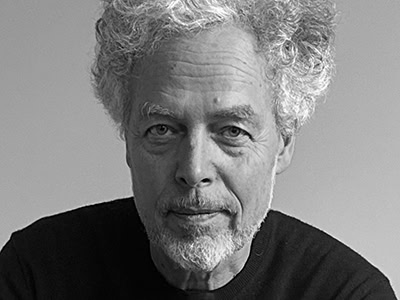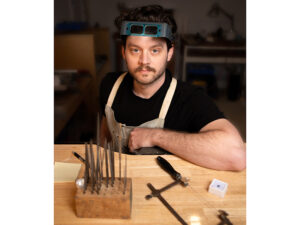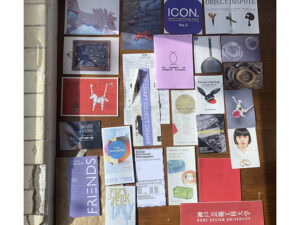
The annual Schmuck special show in Munich is possibly the most important exhibition in the world for contemporary jewelry. Anyone can apply with recent work, and a different juror each year selects 60-odd pieces using any criteria. The competition attracted a record number of submissions for 2026. Norman Weber, who is German, served as the juror in 2024. Here, he interviews this year’s juror, Sam Tho Duong, who is Vietnamese/German.
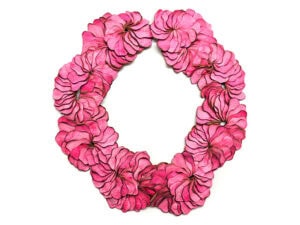
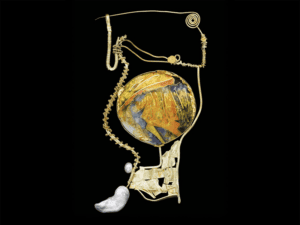
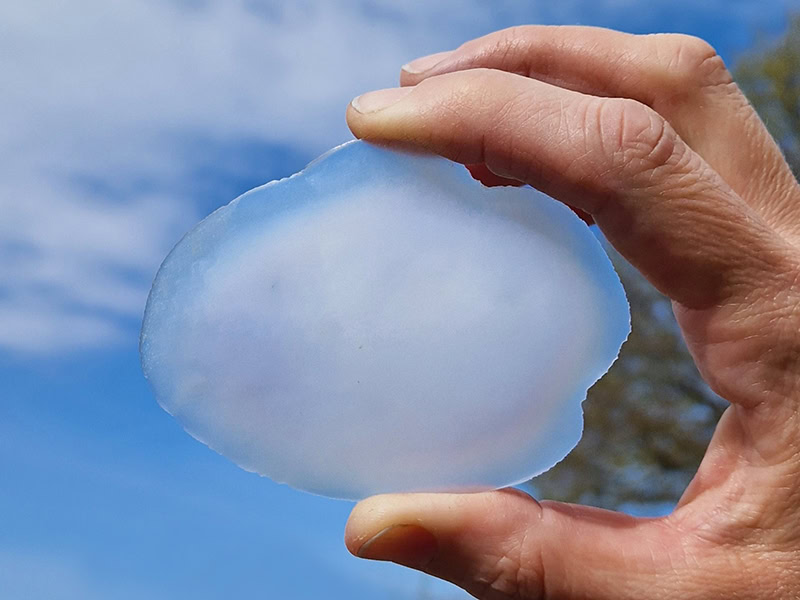
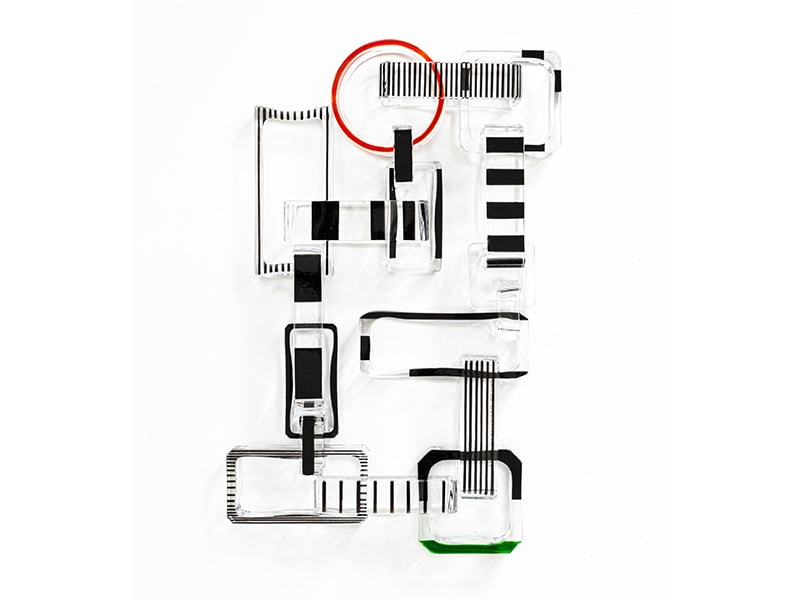
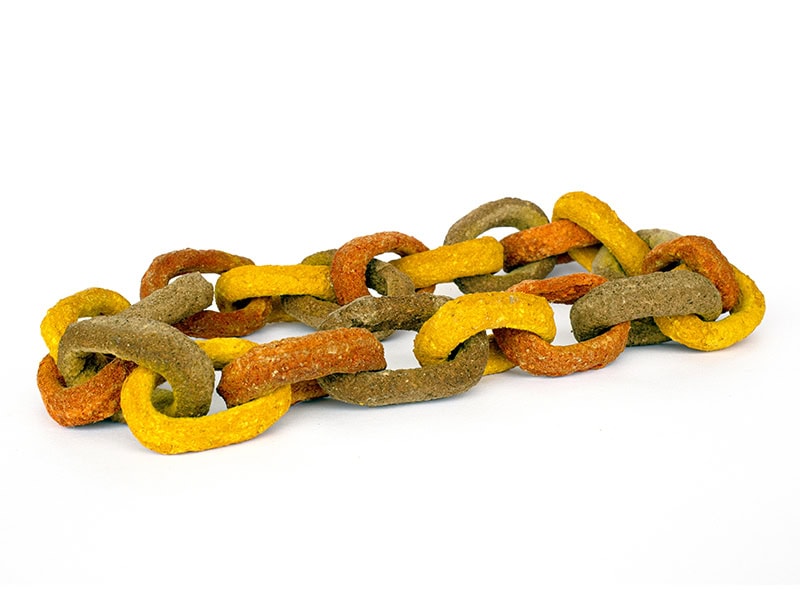
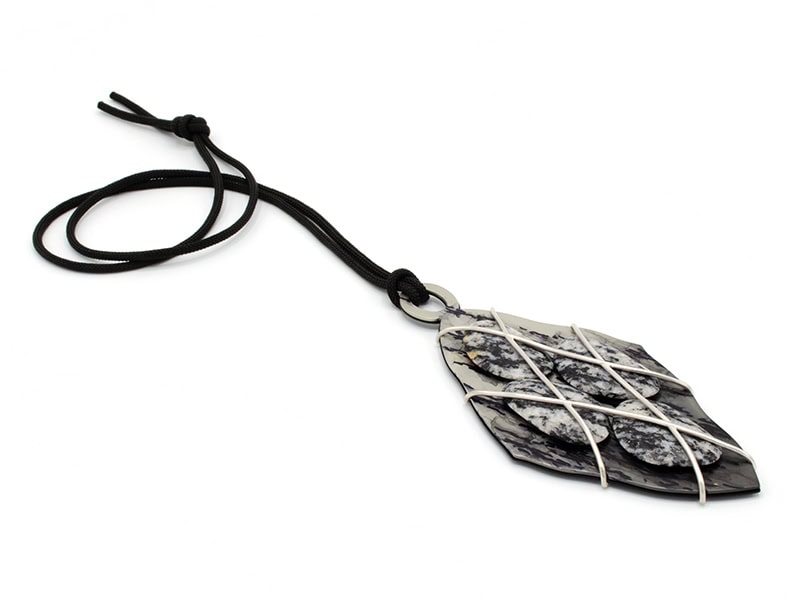
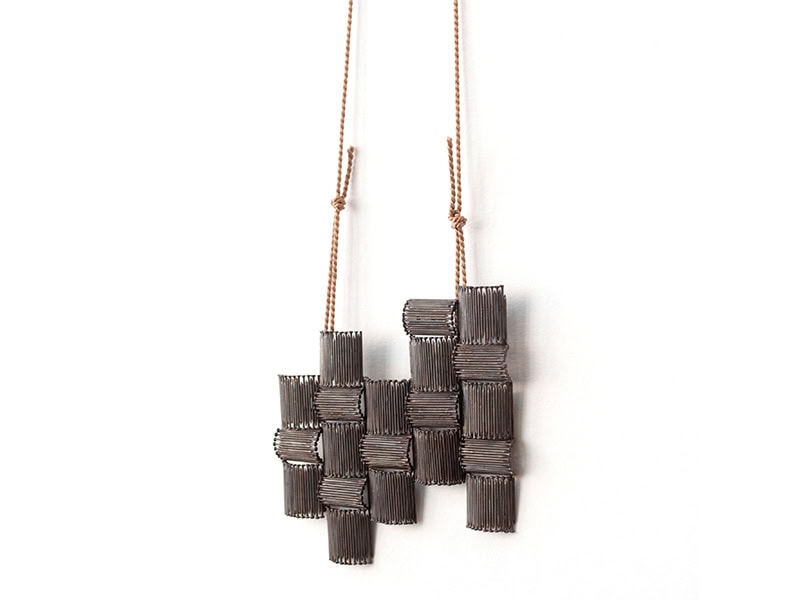
All photos shown below feature work of AJF members or AJF writers selected for this year’s Schmuck exhibition.
Norman Weber: You have been familiar with Munich’s jewelry week, and specifically the special exhibition Schmuck, for years as an artist. How did it feel to switch perspectives and suddenly carry the responsibility of filtering the essence of the current jewelry world from over 1,000 submissions?
Sam Tho Duong: First and foremost, it was a great surprise and a huge honor for me. I agreed immediately, without overthinking the immense responsibility involved. This year, an incredible 1,046 submissions were registered. It was definitely a challenge, but one that brought me a great deal of joy.
The selection process is initially based on images. How difficult was it for you to judge the tactile quality and three-dimensionality of the pieces through photography alone?
Sam Tho Duong: To be honest, it wasn’t difficult for me to imagine the works in three dimensions. One is used to looking at jewelry and objects in catalogs or specialist literature and still being able to form a mental image of the physical piece. What I certainly missed, however, was the actual act of touching the jewelry.
Out of an incredible number of applications, between 60 and 70 must be selected within just two days. Looking back, was there a “common thread” or a specific gut feeling that guided your selection of artists for 2026?
Sam Tho Duong: I wouldn’t want to call it a common thread. It was more of a gut feeling regarding the artists’ skill. Depending on the material, technique, or concept, I chose what I considered to be the most interesting works. I did not select pieces that I had already seen in similar designs in previous years at Schmuck, even if that was painful at times.
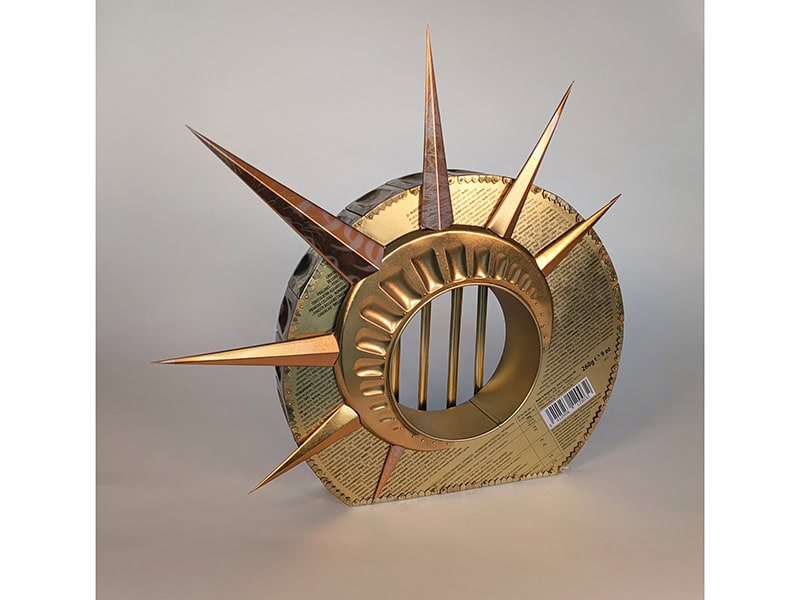
The applications are truly international. While reviewing the work, did you notice any specific regional tendencies or global themes currently moving the jewelry world?
Sam Tho Duong: Not necessarily. There were a few submissions with political statements. Upcycling or the use of waste products and found objects in jewelry design are common today and do not represent a brand-new trend. I actually expected more works based on AI or 3D printing, but I was all the more pleased that the submitted jewelry was, almost without exception, based on high-quality craftsmanship. I was also struck by the large number of entries from Asia and the US, which highlights the international significance of Schmuck.
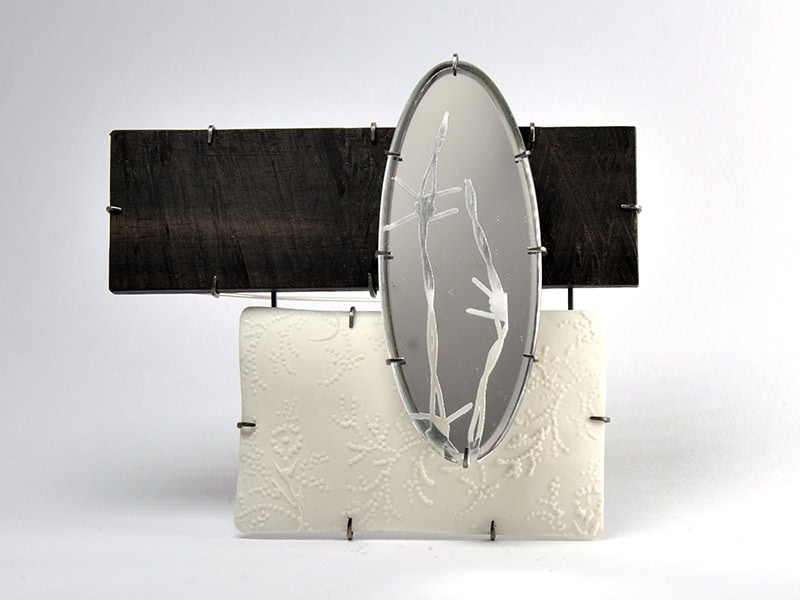
We are currently experiencing a time of massive global upheaval. While reviewing the entries, did you feel that artists are increasingly using the body as a stage for political protest and social debate, or does contemporary jewelry still primarily serve as an aesthetic sanctuary?
Sam Tho Duong: As mentioned before, there were only a few political statements. Jewelry, it seems, is still intended primarily to adorn. Designers—and likely potential buyers as well—seem to be mainly concerned with aesthetics and the joy of wearing the piece.
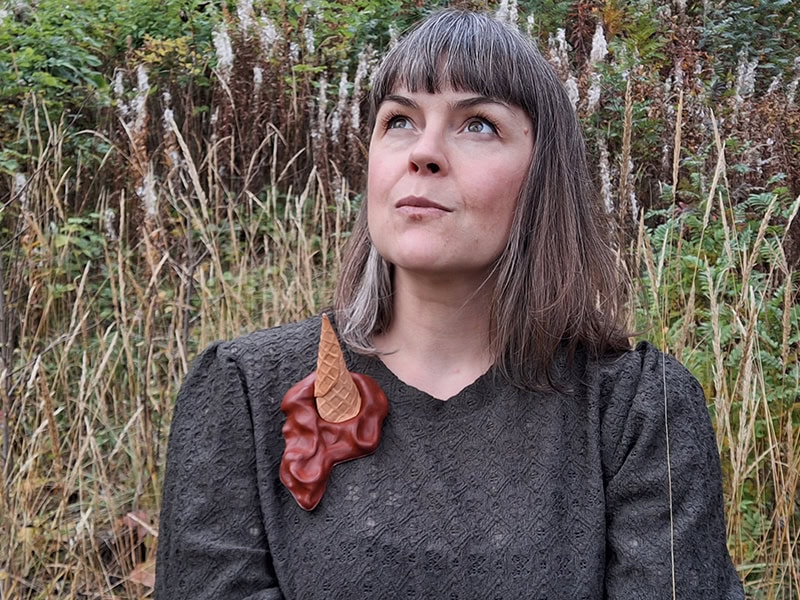
In your own work, you use everyday materials such as plastic cups or toilet paper on equal footing with traditional ones like silver, enamel, and pearls. Did you sense a tendency in the selection that material is increasingly being used as a medium for a personal statement? To what extent did the search for “material meaning” guide your decision?
Sam Tho Duong: As you mentioned, I enjoy working with a variety of materials, whether precious or nonprecious. For my selection, artistic skill, the originality of the piece, and its overall charisma were decisive; the primary focus was not on the material itself.
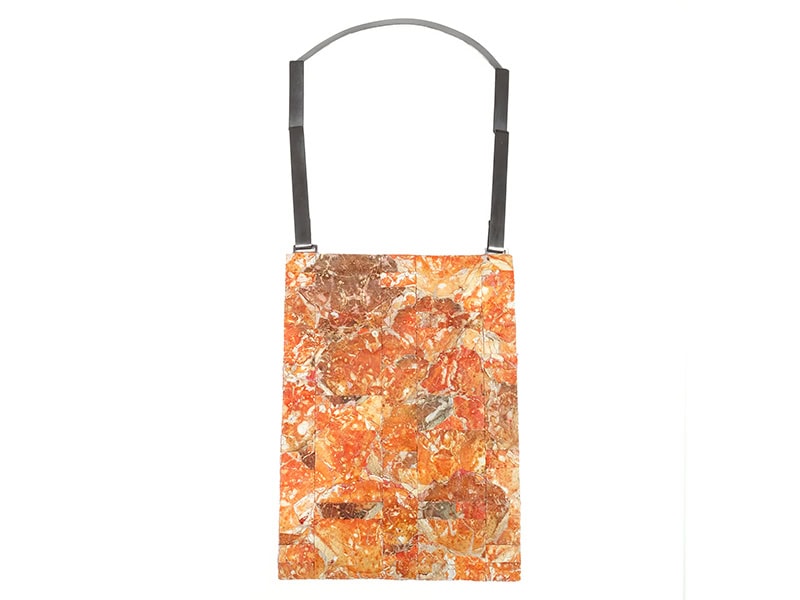
You say of your work that failures often open up new horizons. Did you discover works where you particularly felt this spirit of experimentation and “happy accident”?
Sam Tho Duong: I could imagine the spirit of experimentation in many of the submissions. But of course I couldn’t judge whether a piece had been the result of a “failed attempt” or not. In the end, we only see a finished, well-crafted piece of jewelry.
In your work, organic form and manual execution form an inseparable unit. By contrast, CAD and 3D printing enable geometries that are almost impossible to realize manually but often make a radical leap. How do you assess the potential and limits of digital tools for artistic expression in contemporary jewelry?
Sam Tho Duong: We have to move with the times, whether we like it or not. The potential of these new techniques is certainly breathtaking, but jewelry design is and remains a craft. If one is only able to produce a piece of jewelry with the help of AI and CAD/3D printing, then one has not mastered the art of craftsmanship.
When visitors stand in front of the showcases in Munich in 2026, what is the one thought or feeling they will ideally take home with them?
I hope that my selection brings joy to the visitors and inspires them to visit other exhibitions or—in the case of the younger generation—awakens an interest in our beautiful profession.
Thank you very much for taking the time to answer these questions!
The opinions stated here do not necessarily express those of AJF.
We welcome your comments on our publishing, and will publish letters that engage with our articles in a thoughtful and polite manner. Please submit letters to the editor electronically; do so here. The page on which we publish Letters to the Editor is here.
© 2026 Art Jewelry Forum. All rights reserved. Content may not be reproduced in whole or in part without permission. For reprint permission, contact info (at) artjewelryforum (dot) org