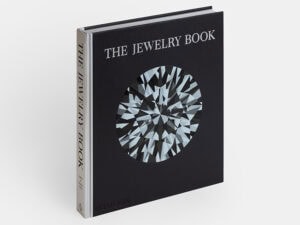
Helen Molesworth, Precious: The History and Mystery of Gems Across Time. New York: Ballantine Books, 2024.
Helen Molesworth’s Precious: The History and Mystery of Gems Across Time isn’t just a book about gemstones. It’s a journey of human desire, power, culture, and history told through 10 gemstones. It shows how our ambitions for power, love, and legacy are written into the gems we treasure.
Molesworth makes this long history perceptibly close and real. You can almost feel it when she writes about holding a piece of the Cullinan Diamond, which was cut for the British Crown Jewels. You understand the clever politics when she explains how Cleopatra used emeralds to build alliances and show her strength, not just to look beautiful.
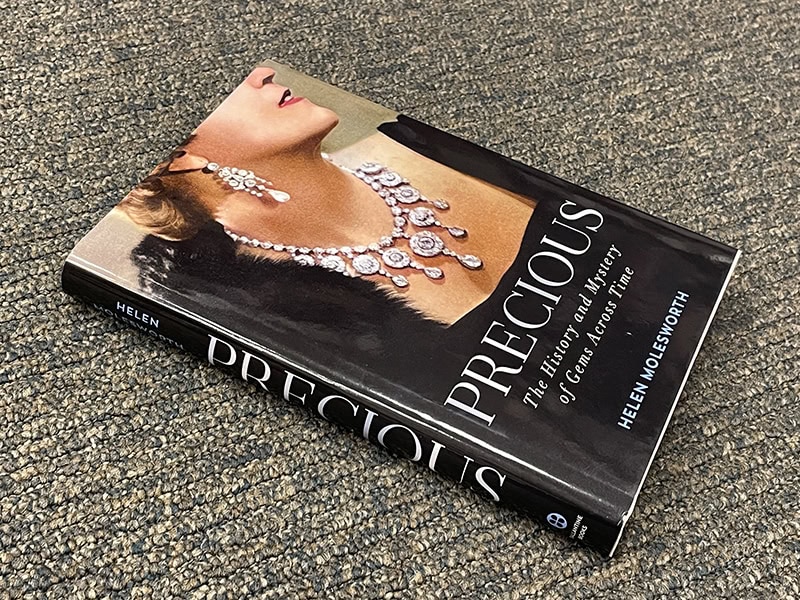
With each stone, Molesworth teaches us one thing: a gem’s deepest value is not its size or price, but the long story of human dreams it holds inside. Precious doesn’t just describe gemstones. It explains why they have been treasured for centuries.
Molesworth’s academic credentials are impressive. She’s a respected scholar, a professor in the field of jewelry history. She was a jewelry specialist for more than 10 years at the Christie’s and Sotheby’s auction houses in Geneva and London. She was also a senior jewelry curator at the Victoria and Albert Museum, in London.
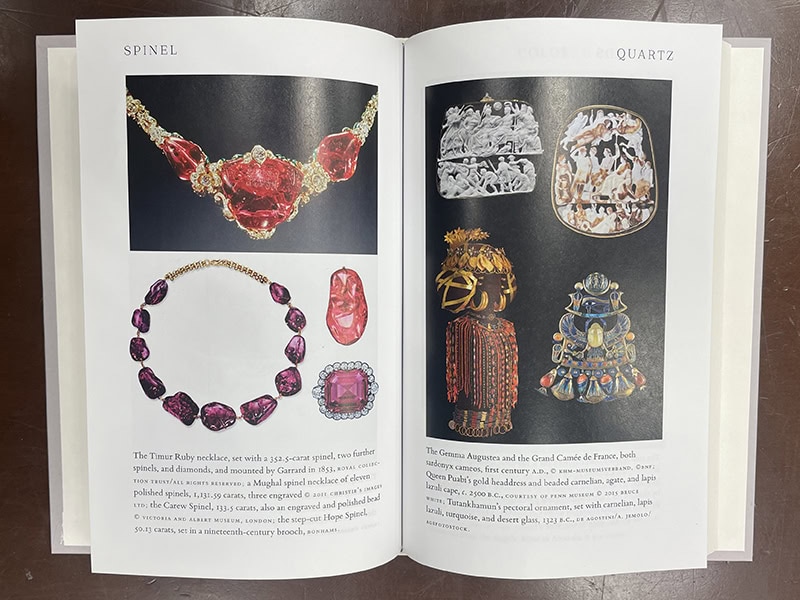
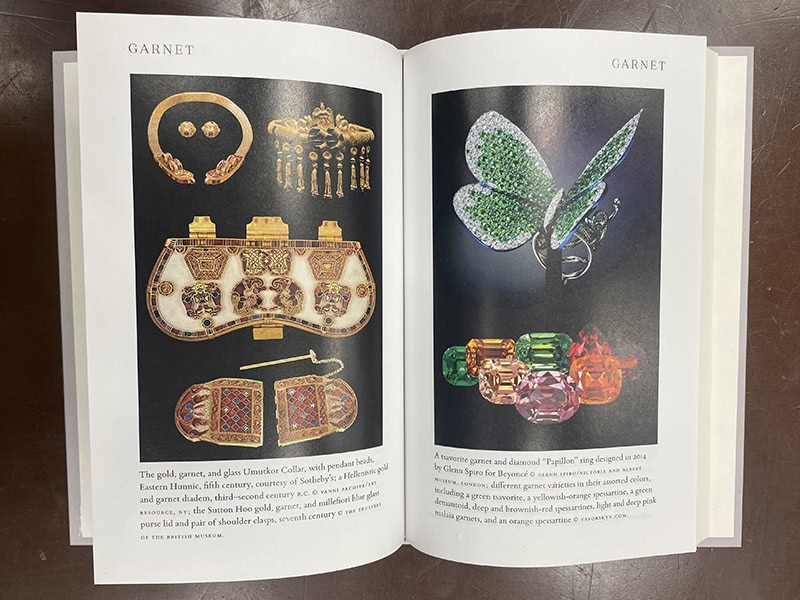
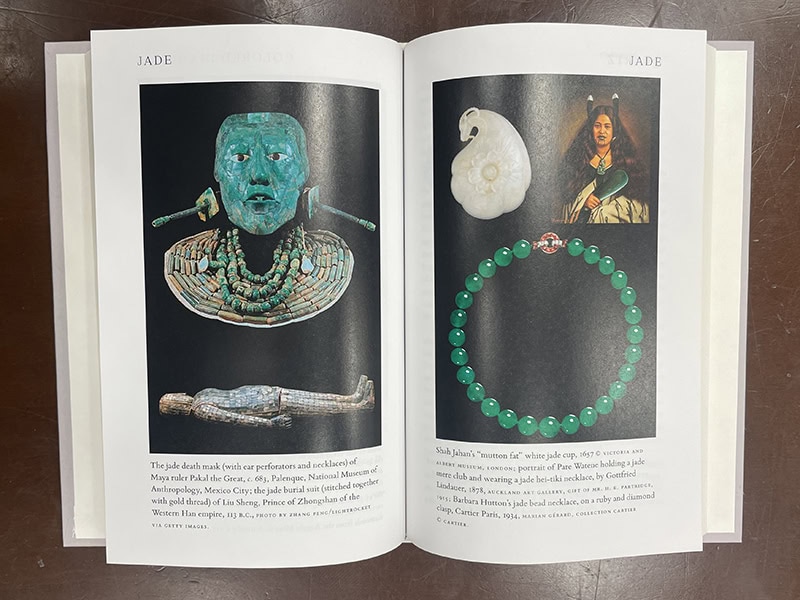
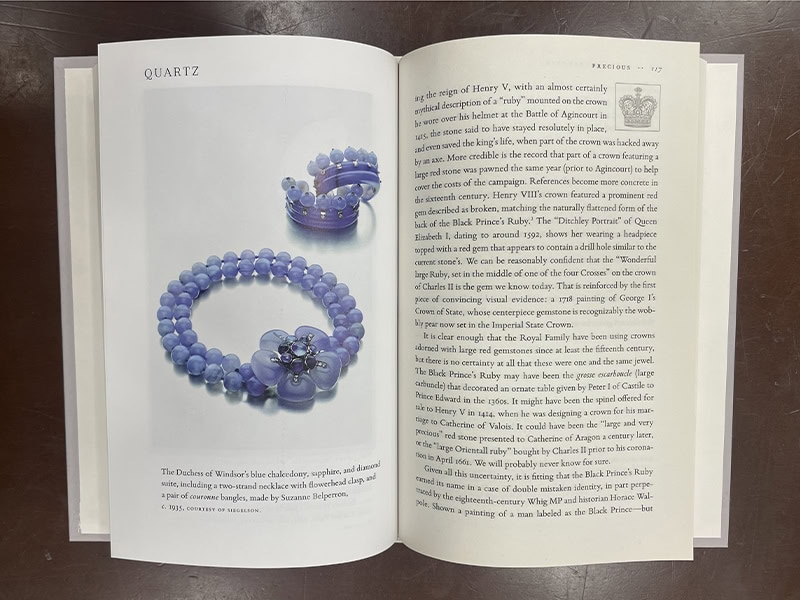
The book has 10 chapters, each one focused on one type of gem: the emerald, the ruby, the sapphire, the garnet, the pearl, spinel, quartz, the colorless and colored diamond, and jade. Each chapter covers the gem’s history, where it’s found, and its cultural meaning. The center of the book features a 16-page section of color plates. These pictures show iconic jewelry and spectacular gemstones. They add information and beauty to the book.
Molesworth’s love for gems makes her book exciting to read, turning a potentially boring topic into a fun and educational adventure by filling it with personal stories and surprising facts. She writes about childhood escapades, like the time she broke her leg as a girl climbing a wall to reach an amethyst geode.
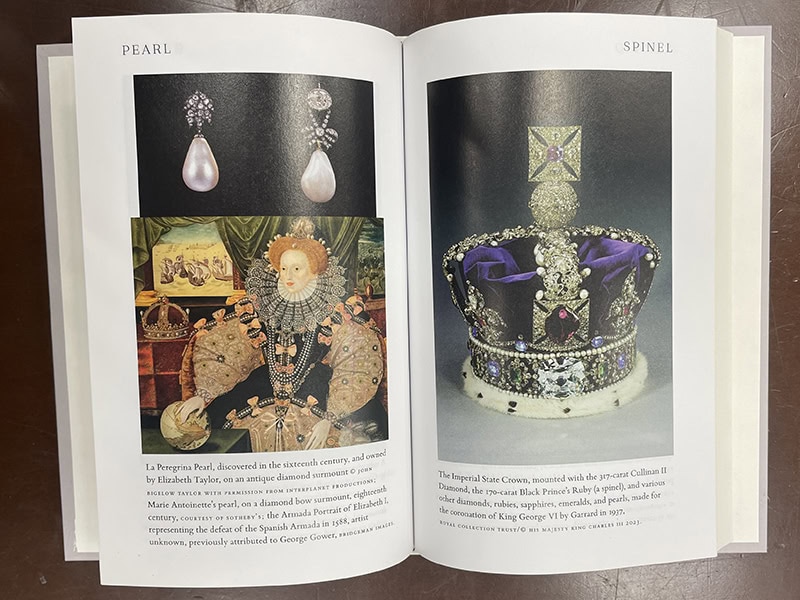
Molesworth also shares thrilling professional moments, such as the “dangerous” feeling of falling into the “grayish-blue pool” of the multi-million-dollar Wittelsbach Diamond. The history comes alive with tales of gems. A spectacular 17th-century emerald watch set with Colombian emeralds comes from the Cheapside Hoard, a treasure of Elizabethan and Stuart jewelry buried beneath one London’s busiest streets in 1640. It was discovered only 300 years later. Many of the jewels are now at the London Museum, and they give clues to the the vast global gem trade of the era. There’s also the humorous story of Elizabeth Taylor’s dog chewing on the priceless La Peregrina pearl. Molesworth’s passion is contagious, illustrating that the true magic of gems lies in the wild human stories they carry.
Precious makes the history of gems deeply relatable. It does this by showing how these stones have always mirrored our most human desires: for power, beauty, love, and immortality.
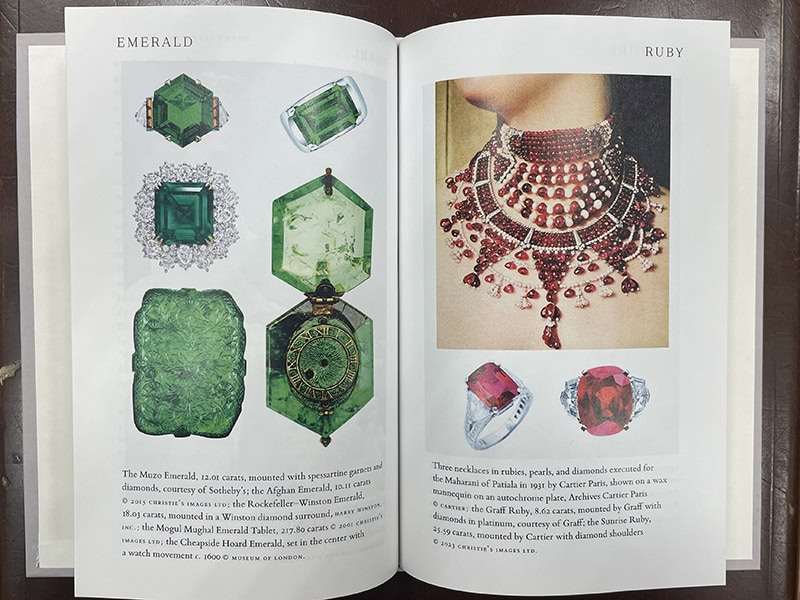
These stories, both famous and obscure, highlight the powerful role gemstones play in human cultures and lives. Precious tells stories of famous gems and the legends who owned them, such as Cleopatra’s emeralds and Elizabeth Taylor’s pearls. Molesworth also brings lesser-known tales to light. There’s the seventh-century Anglo-Saxon King Redwald, whose sword had a garnet-set hilt. This masterpiece of early medieval goldsmithing turned a weapon into a symbol of royal power and spiritual belief. Molesworth also tells the controversial modern saga of the Wittelsbach Diamond. This historic blue diamond was re-cut by a jeweler in 2008, a decision that erased part of its recorded history to perfect its beauty.
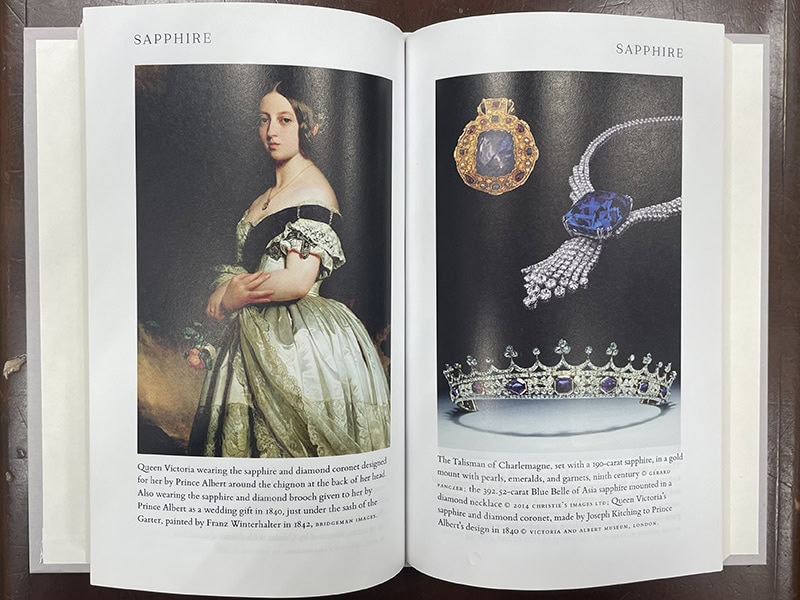
Precious also teaches readers what gemstones have symbolized across different eras. For example, jewelry pieces made from rubies are associated with blood and power, while those made from sapphires are linked to royalty and divine favor. In explaining these meanings, the book connects gems to history and culture. This helps readers understand their deeper significance.
I admired Precious for its depth and passion. But I finished the book wondering what happens to gems when they aren’t part of a crown or a conquest anymore.
Each gem in Precious reflected wealth but had a hidden cost. Art jewelry, meanwhile, defined itself for years by rejecting precious materials as symbols of wealth. The return of these materials into contemporary works is a way for a new generation of jewelry makers to engage with the history of power and colonialism, but on their own ethical and conceptual terms.
Today’s artists redefine jewelry with a more honest approach. They don’t care about rarity or luxury. Instead, they ask: Where did this gem come from? Who mined it? What did it cost the planet? They prioritize ethics over tradition.
Karl Fritsch, for example, often embeds raw, uncut stones or “worthless” glass into crude silver or gold settings, sometimes leaving the sprues attached. He shows them in a rough, visceral state.
Other jewelers—Bernhard Schobinger, for example—put raw, unpolished gems into unconventional settings, sometimes combining precious stones with industrial materials such as aluminum or wood. He shows them in a natural, rather than perfect, form. This is vastly different from the flawlessly cut gems in Molesworth’s book. This isn’t just about looks. Both these artists give an honest view of what gems really are. In this kind of art jewelry, the story and authenticity of the material are as important as the market value of the stone.
This focus on ethical sourcing and sustainable practices is no longer a niche concern but is being recognized at the highest levels of luxury. Major fashion houses such as Balmain now produce fine jewelry using recycled gold and traceable, conflict-free gemstones, while others such as Prada have launched high jewelry lines with sustainability as a core principle. This signals that the revaluation of materials—questioning not just their beauty, but their origin and impact—is reshaping the industry, from the avant-garde fringe to the established centers of prestige.
Precious recounts the stories of the famous gems of kings and queens who ruled the world. This is important. But art jewelers create new stories about the kind of world they want to live in. Their work is critical, reflective, and deeply human. They use lab-grown stones, recycled metals, or gems left in their natural state. The jewelry pieces they make reflect the foundations of gemstones and concerns about the environment, ideals, and integrity.
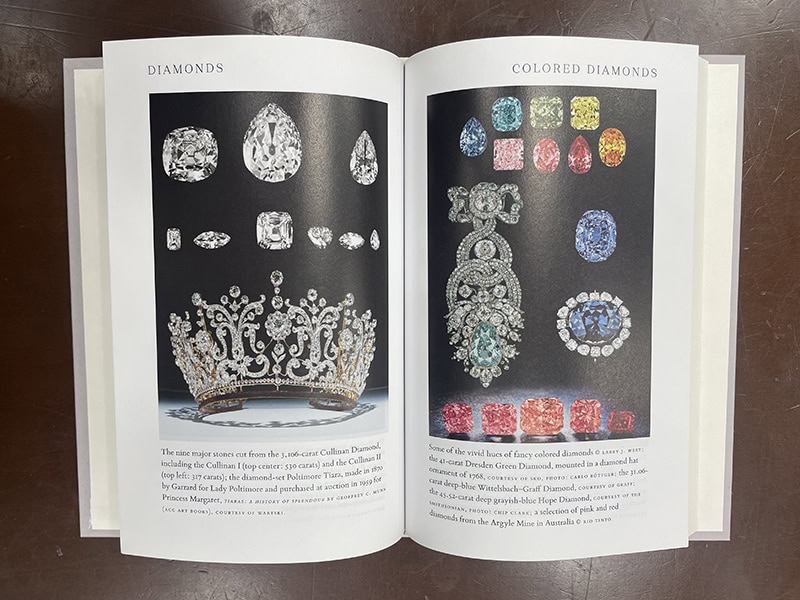
Gems are never truly finished. Their journey continues, whether through the contentious recutting of a historic diamond, the quiet resetting of a family heirloom, or their use by artists to critique the very histories of power and plunder that the author so vividly describes. Molesworth mentions the dark side of the gem trade, a system where stones were commodities in a global market, instruments of imperial plunder, and products of brutal labor. She touches on how gems like the Koh-i-Noor, seized by the British after the Anglo-Sikh Wars and now part of the Crown Jewels, remain potent symbols of unresolved historical wounds. She doesn’t discuss how modern artists might fix these past wrongs. That’s not a flaw in the book. It’s simply not her focus. Her book gives us the foundation. Today’s artists are building a more critical, reflective, and humane future. The most interesting work happens where the old and the new meet.
The opinions stated here do not necessarily express those of AJF.
We welcome your comments on our publishing, and will publish letters that engage with our articles in a thoughtful and polite manner. Please submit letters to the editor electronically; do so here. The page on which we publish Letters to the Editor is here.
© 2026 Art Jewelry Forum. All rights reserved. Content may not be reproduced in whole or in part without permission. For reprint permission, contact info (at) artjewelryforum (dot) org