Switzerland’s Benedict Haener is a rising star. Shortly after his goldsmith’s apprenticeship, he took first place in the technology category of the Swiss Vocational Championships. The year after graduating from the XS-SCHMUCK program at Lucerne University of Applied Sciences, he was awarded a 2024 Talente — Masters of the Future prize for his jewelry. And this month he won the 2026 Young Artist Award, supported by Karen and Michael Rotenberg.
This prize, given every two years, acknowledges promise, innovation, and individuality in the work of an emerging jewelry artist aged 35 and younger. Through the award, AJF supports new and exciting work that will inspire future developments in the field.
Art Jewelry Forum: Congratulations on winning the Young Artist Award competition—what an accomplishment! How did you become interested in jewelry? And what inspires your work?
Benedict Haener: Even as a child, I enjoyed crafting small objects by hand. Driven by this interest, I began an apprenticeship as a goldsmith. During my bachelor’s studies in “XS Jewelry”—under the guidance of Christoph Zellweger—I discovered my passion for author jewelry.
What does winning this competition mean for you? Will it influence you going forward?
Benedict Haener: It is a great honor for me to win this award. I hope that this will make my work more visible. However, my plan has always been to continue developing my work as a jewelry artist.
Tell us about the work you applied with.
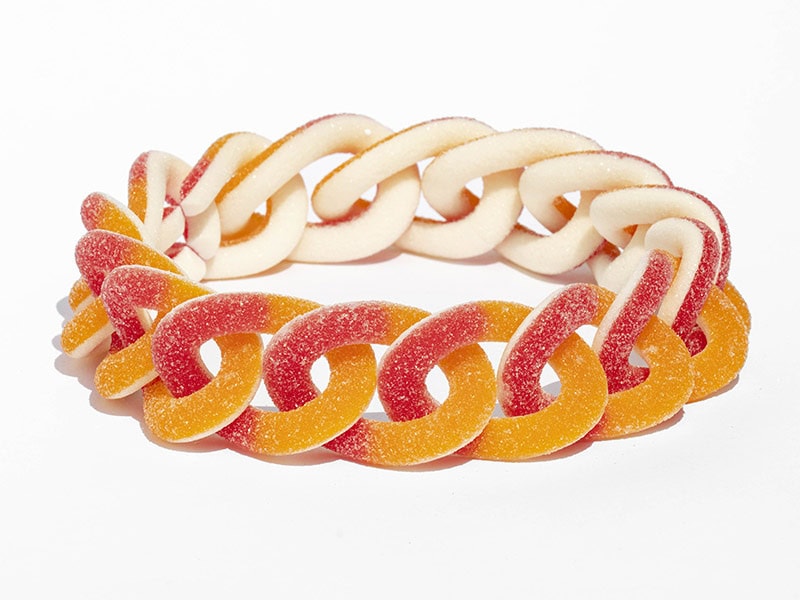
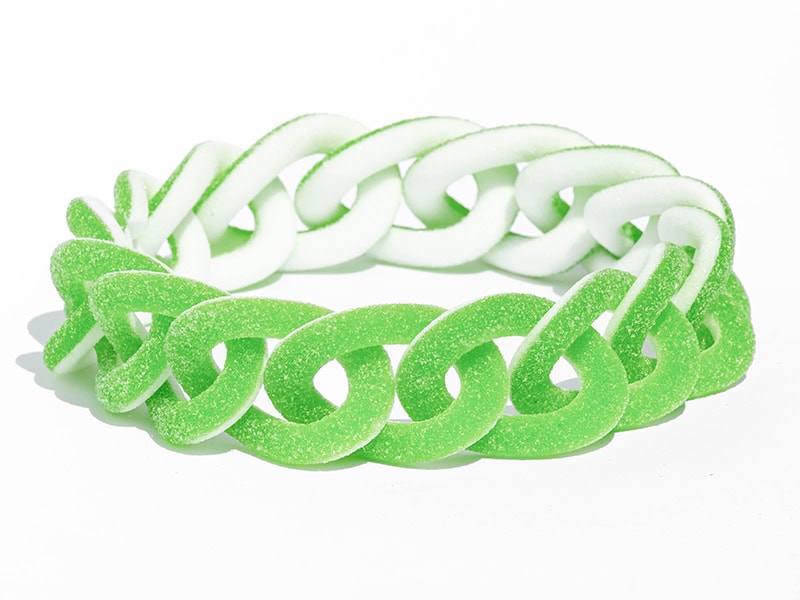
Benedict Haener: My works are intended to captivate viewers with their technical finesse, playful design, and irritating associations. The pieces are wearable or act as a statement when exhibited. Thematically, I resist widespread conventions in the jewelry market with irony and wit. Values are questioned and new values are generated in surprising processes.
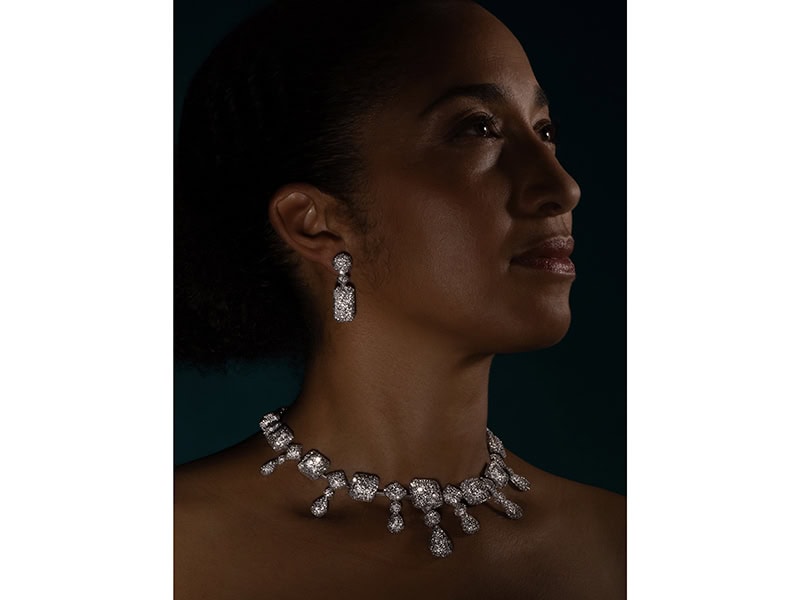
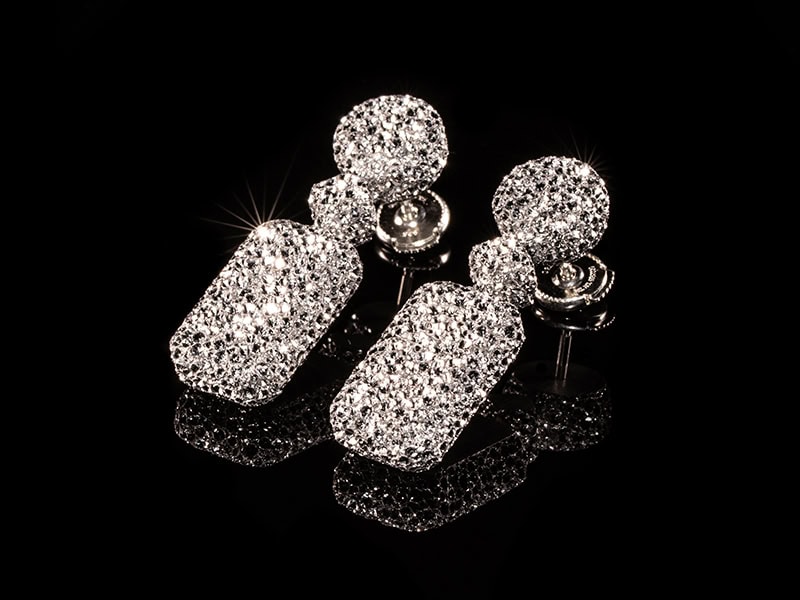
Tell us more about one of the pieces in your application.
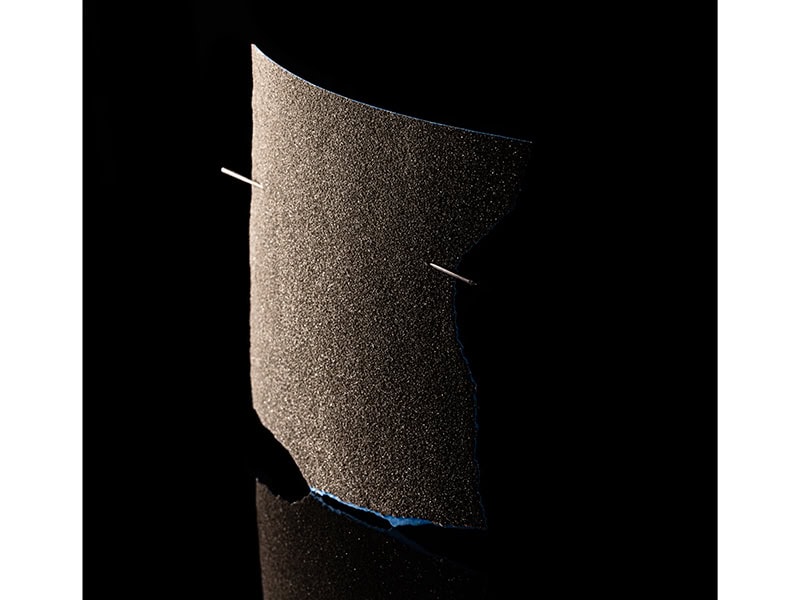
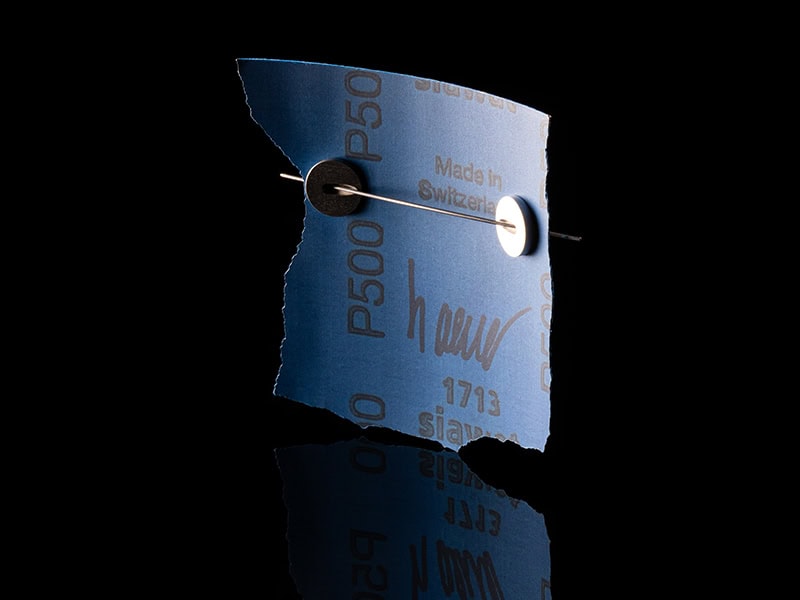
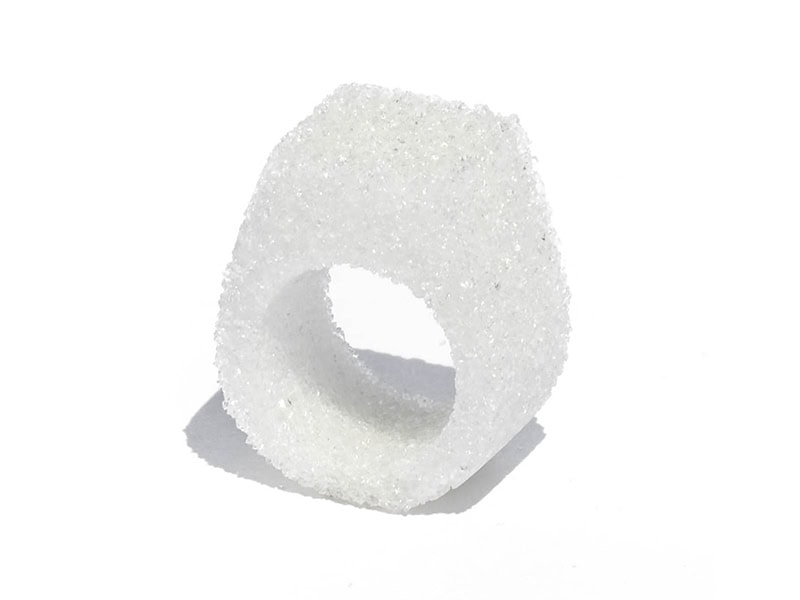
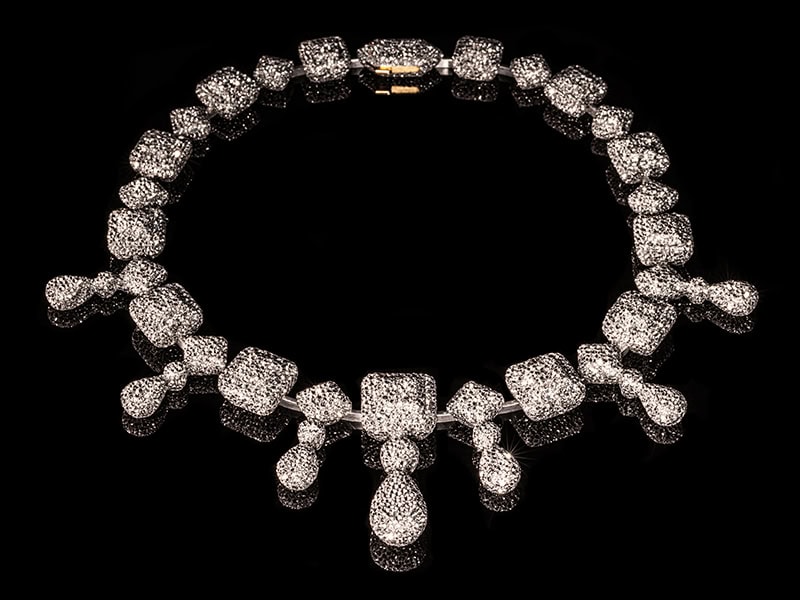
Benedict Haener: The pieces in the First Impression collection came into being quite by chance. While crushing diamonds for the Sugar Free Apple Necklace, I placed the stones between two metal sheets and pounded them with a hammer. When I opened the sheets, I saw that the diamonds had left perfect impressions in the metal—and how beautifully they sparkled. Building upon this discovery, and through a continuously evolving process, I developed the First Impression collection.
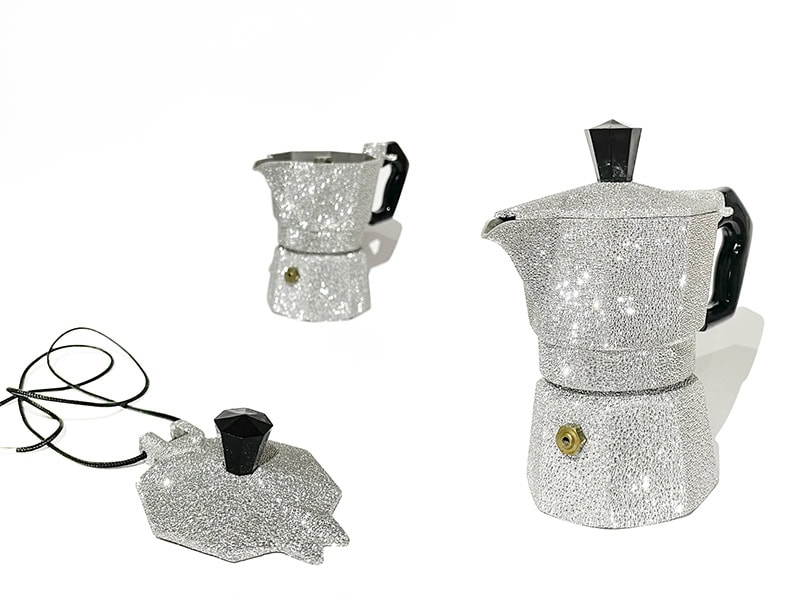
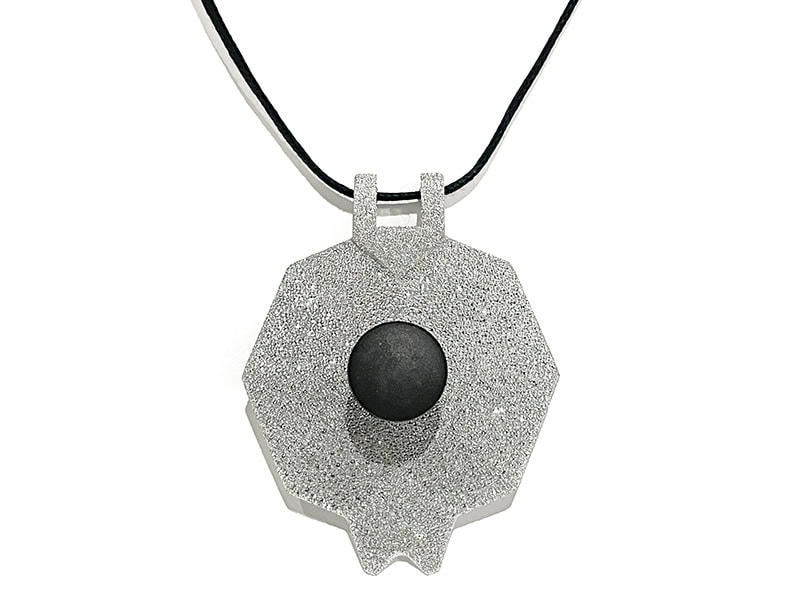
What excites you about the field of art jewelry?
Benedict Haener: In the realm of artist jewelry, it is permissible—indeed, even desirable—for the works to be crafted entirely by hand, from start to finish. This gives me immense flexibility and enables very rapid progress in developing new processes and techniques.
Where do you think the field is going? What new and exciting trends do you see in art jewelry?
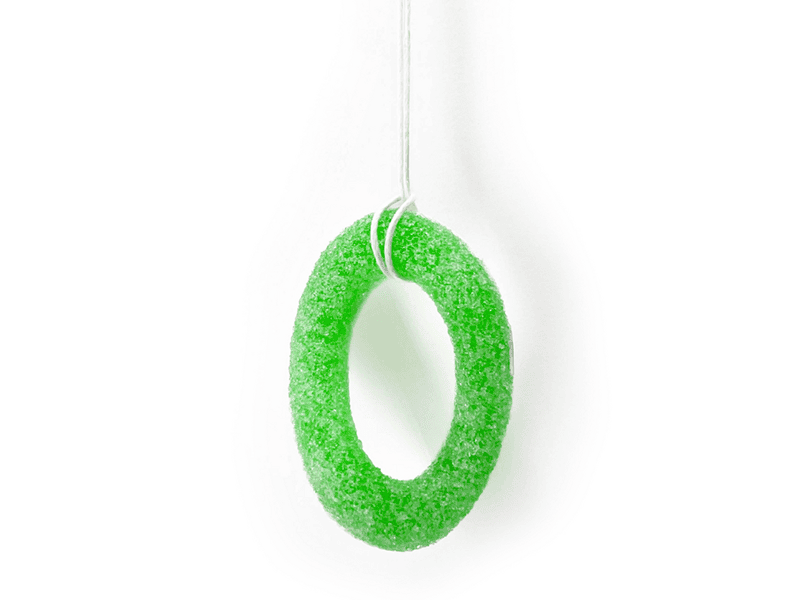
Benedict Haener: The rising prices for precious metals are making traditional jewelry too expensive for an increasing number of people. This presents an opportunity for jewelry artists to offer an alternative through innovative concepts.
Do you have any frustrations with the field?
Benedict Haener: I believe that the work of most artists is priced too low. In most cases, only the labor and material costs are charged; the entire artistic process behind the work is essentially given away for free. This has the advantage of making the work affordable for a wider range of customers, but the disadvantage is that many jewelry artists cannot make a living from it.
If you could write a master plan for your practice, where would you like to be five years from now?
Benedict Haener: I can’t say—five years ago, I was still at the beginning of my studies, and now I’ve been self-employed as a jewelry artist for two and a half years—and I’m still making a living! I hope it continues this way!
Congratulations again! Thanks for taking the time to tell us about your practice.